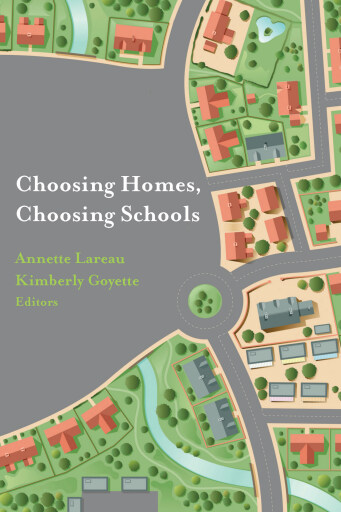
Choosing Homes, Choosing Schools
Wydane przez Russell Sage Foundation
English
2014
ISBN 9781610448208
eBook
Buy at RSAGE
🇺🇸
Catademic
🇺🇸
Odwiedź sklep →
ebookstaolistic
🇺🇸
Odwiedź sklep →
Bajalibros Latam
🇺🇸
Odwiedź sklep →
RS
RSAGE
🇺🇸
Odwiedź sklep →
Association of University Presses - Tienda FILUNI
🇺🇸
Odwiedź sklep →

Ebooks Librería Antártica
🇨🇱
Odwiedź sklep →
Ebooks Agustin
🇪🇸
Odwiedź sklep →
Bajalibros Argentina
🇦🇷
Odwiedź sklep →

Sanborns Ebooks
🇲🇽
Odwiedź sklep →
ebooks Libreria del GAM
🇺🇾
Odwiedź sklep →
Bookshop Uruguay
🇺🇾
Odwiedź sklep →

ebookskitapenas
🇬🇹
Odwiedź sklep →
Ebooks Yenny - El Ateneo
🇦🇷
Odwiedź sklep →
Crisol Ebooks
🇨🇴
Odwiedź sklep →
Dostępne w 14 księgarniach
Catademic
🇺🇸
Odwiedź sklep →
ebookstaolistic
🇺🇸
Odwiedź sklep →
Association of University Presses - Tienda FILUNI
🇺🇸
Odwiedź sklep →
Ebooks Librería Antártica
🇨🇱
Odwiedź sklep →
Ebooks Agustin
🇪🇸
Odwiedź sklep →
Sanborns Ebooks
🇲🇽
Odwiedź sklep →
ebooks Libreria del GAM
🇺🇾
Odwiedź sklep →
ebookskitapenas
🇬🇹
Odwiedź sklep →
Ebooks Yenny - El Ateneo
🇦🇷
Odwiedź sklep →
Crisol Ebooks
🇨🇴
Odwiedź sklep →
O tej książce
<div>A series of policy shifts over the past decade promises to change how Americans decide where to send their children to school. In theory, the boom in standardized test scores and charter schools will allow parents to evaluate their assigned neighborhood school, or move in search of a better option. But what kind of data do parents actually use while choosing schools? Are there differences among suburban and urban families? How do parents’ choices influence school and residential segregation in America? Choosing Homes, Choosing Schools presents a breakthrough analysis of the new era of school choice, and what it portends for American neighborhoods. The distinguished contributors to Choosing Homes, Choosing Schools investigate the complex relationship between education, neighborhood social networks, and larger patterns of inequality. Paul Jargowsky reviews recent trends in segregation by race and class. His analysis shows that segregation between blacks and whites has declined since 1970, but remains extremely high. Moreover, white families with children are less likely than childless whites to live in neighborhoods with more minority residents. In her chapter, Annette Lareau draws on interviews with parents in three suburban neighborhoods to analyze school-choice decisions. Surprisingly, she finds that middle- and upper-class parents do not rely on active research, such as school tours or test scores. Instead, most simply trust advice from friends and other people in their network. Their decision-making process was largely informal and passive. Eliot Weinginer complements this research when he draws from his data on urban parents. He finds that these families worry endlessly about the selection of a school, and that parents of all backgrounds actively consider alternatives, including charter schools. Middle- and upper-class parents relied more on federally mandated report cards, district websites, and online forums, while working-class parents use network contacts to gain information on school quality. Little previous research has explored what role school concerns play in the preferences of white and minority parents for particular neighborhoods. Featuring innovative work from more than a dozen scholars, Choosing Homes, Choosing Schools adroitly addresses this gap and provides a firmer understanding of how Americans choose where to live and send their children to school.</div>
Kategorie
- Język
- English
Udostępnij
Może ci się też spodobać
Educación en Derechos Humanos
Edgardo Carabantes
Desarrollo del Pensamiento Geográfico
Fabián Araya Palacios
Elogio do professor
Larrosa, Jorge, Rechia, Karen Christine, Cubas, Caroline Jaques
Desenvolvimento cognitivo e processo de ensino aprendizagem
da Fonseca, Vitor
Paz Para Estudar
Jeronimo, Rossana Cussi
Dinâmicas e jogos para aulas de ciências
Silva, Solimar, Cazassa, Walas