
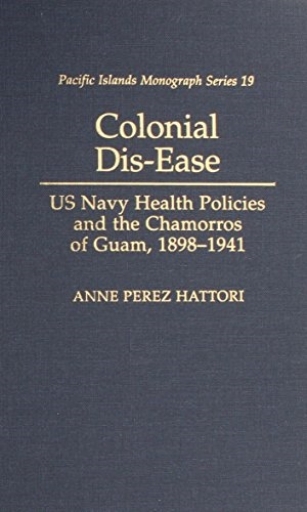
Colonial Dis-Ease
Autor: Hattori, Anne Perez
Wydane przez University of Hawaii Press
English
264 stron
2004
ISBN 9780824851194
PDF
Buy at Bajalibros Latam
🇺🇸
 Catademic
🇺🇸
Odwiedź sklep →
Catademic
🇺🇸
Odwiedź sklep →
 Bajalibros Latam
🇺🇸
Odwiedź sklep →
Bajalibros Latam
🇺🇸
Odwiedź sklep →
 Association of University Presses - Tienda FILUNI
🇺🇸
Odwiedź sklep →
Association of University Presses - Tienda FILUNI
🇺🇸
Odwiedź sklep →
 Ebooks Librería Antártica
🇨🇱
Odwiedź sklep →
Ebooks Librería Antártica
🇨🇱
Odwiedź sklep →
 Ebooks Agustin
🇪🇸
Odwiedź sklep →
Ebooks Agustin
🇪🇸
Odwiedź sklep →
 Bajalibros Argentina
🇦🇷
Odwiedź sklep →
Bajalibros Argentina
🇦🇷
Odwiedź sklep →
 Sanborns Ebooks
🇲🇽
Odwiedź sklep →
Sanborns Ebooks
🇲🇽
Odwiedź sklep →
 ebooks Libreria del GAM
🇨🇱
Odwiedź sklep →
ebooks Libreria del GAM
🇨🇱
Odwiedź sklep →
 Bookshop Uruguay
🇺🇾
Odwiedź sklep →
Bookshop Uruguay
🇺🇾
Odwiedź sklep →
 ebookskitapenas
🇬🇹
Odwiedź sklep →
ebookskitapenas
🇬🇹
Odwiedź sklep →
 Ebooks Yenny - El Ateneo
🇦🇷
Odwiedź sklep →
Ebooks Yenny - El Ateneo
🇦🇷
Odwiedź sklep →
 Crisol Ebooks
🇵🇪
Odwiedź sklep →
Crisol Ebooks
🇵🇪
Odwiedź sklep →
Dostępne w 12 księgarniach
Catademic
🇺🇸
Odwiedź sklep →
Bajalibros Latam
🇺🇸
Odwiedź sklep →
Association of University Presses - Tienda FILUNI
🇺🇸
Odwiedź sklep →
Ebooks Librería Antártica
🇨🇱
Odwiedź sklep →
Ebooks Agustin
🇪🇸
Odwiedź sklep →
Bajalibros Argentina
🇦🇷
Odwiedź sklep →
Sanborns Ebooks
🇲🇽
Odwiedź sklep →
ebooks Libreria del GAM
🇨🇱
Odwiedź sklep →
Bookshop Uruguay
🇺🇾
Odwiedź sklep →
ebookskitapenas
🇬🇹
Odwiedź sklep →
Ebooks Yenny - El Ateneo
🇦🇷
Odwiedź sklep →
Crisol Ebooks
🇵🇪
Odwiedź sklep →
O tej książce
<p>A variety of cross-cultural collisions and collusions—sometimes amusing, sometimes tragic, but always complex—resulted from the U.S. Navy’s introduction of Western health and sanitation practices to Guam’s native population. In <i>Colonial Dis-Ease,</i> Anne Perez Hattori examines early twentieth-century U.S. military colonialism through the lens of Western medicine and its cultural impact on the Chamorro people. In four case studies, Hattori considers the histories of Chamorro leprosy patients exiled to Culion Leper Colony in the Philippines, hookworm programs for children, the regulation of native midwives and nurses, and the creation and operation of the Susana Hospital for women and children.<br><br>Changes to Guam’s traditional systems of health and hygiene placed demands not only on Chamorro bodies, but also on their cultural values, social relationships, political controls, and economic expectations. Hattori effectively demonstrates that the new health projects signified more than a benevolent interest in hygiene and the philanthropic sharing of medical knowledge. Rather the navy’s health care regime in Guam was an important vehicle through which U.S. colonial power and moral authority over Chamorros was introduced and entrenched. Medical experts, navy doctors, and health care workers asserted their scientific knowledge as well as their administrative might and in the process became active participants in the colonization of Guam.</p>
Kategorie
- Język
- English
Udostępnij
Może ci się też spodobać

The Hawaiian Islands
Hawaii. Department of Foreign Affairs

Refocusing Ethnographic Museums through Oceanic Lenses
Schorch, Philipp

Pacific Ethnomathematics
Goetzfridt, Nicholas J.

The Present Picture of New South Wales (1811)
Mann, D. D.
Pacific Futures

Valley of Spiraling Winds
Britos, Peter J. Oluloa