
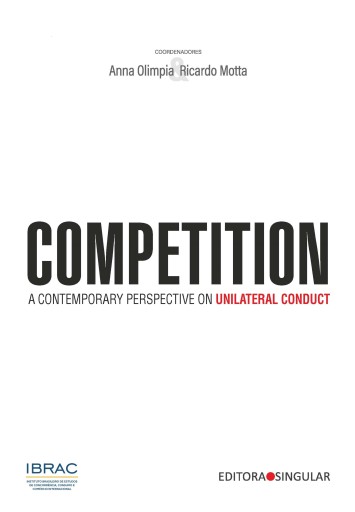
Competition
Wydane przez Editora Singular
English
2023
ISBN 9786586352955
eBook
Buy at Bajalibros Latam
🇺🇸
 Bajalibros Latam
🇺🇸
Odwiedź sklep →
Bajalibros Latam
🇺🇸
Odwiedź sklep →
 Martins Fontes Paulista
🇧🇷
Odwiedź sklep →
Martins Fontes Paulista
🇧🇷
Odwiedź sklep →
 Disal - Distribuidora de Conhecimento
🇧🇷
Odwiedź sklep →
Disal - Distribuidora de Conhecimento
🇧🇷
Odwiedź sklep →
 Ebooks Librería Antártica
🇨🇱
Odwiedź sklep →
Ebooks Librería Antártica
🇨🇱
Odwiedź sklep →
 Ebooks Agustin
🇪🇸
Odwiedź sklep →
Ebooks Agustin
🇪🇸
Odwiedź sklep →
 Bajalibros Argentina
🇦🇷
Odwiedź sklep →
Bajalibros Argentina
🇦🇷
Odwiedź sklep →
 Sanborns Ebooks
🇲🇽
Odwiedź sklep →
Sanborns Ebooks
🇲🇽
Odwiedź sklep →
 ebooks Libreria del GAM
🇨🇱
Odwiedź sklep →
ebooks Libreria del GAM
🇨🇱
Odwiedź sklep →
 Bookshop Uruguay
🇺🇾
Odwiedź sklep →
Bookshop Uruguay
🇺🇾
Odwiedź sklep →
 ebookskitapenas
🇬🇹
Odwiedź sklep →
ebookskitapenas
🇬🇹
Odwiedź sklep →
 Ebooks Yenny - El Ateneo
🇦🇷
Odwiedź sklep →
Ebooks Yenny - El Ateneo
🇦🇷
Odwiedź sklep →
 Crisol Ebooks
🇵🇪
Odwiedź sklep →
Crisol Ebooks
🇵🇪
Odwiedź sklep →
Dostępne w 12 księgarniach
Bajalibros Latam
🇺🇸
Odwiedź sklep →
Martins Fontes Paulista
🇧🇷
Odwiedź sklep →
Disal - Distribuidora de Conhecimento
🇧🇷
Odwiedź sklep →
Ebooks Librería Antártica
🇨🇱
Odwiedź sklep →
Ebooks Agustin
🇪🇸
Odwiedź sklep →
Bajalibros Argentina
🇦🇷
Odwiedź sklep →
Sanborns Ebooks
🇲🇽
Odwiedź sklep →
ebooks Libreria del GAM
🇨🇱
Odwiedź sklep →
Bookshop Uruguay
🇺🇾
Odwiedź sklep →
ebookskitapenas
🇬🇹
Odwiedź sklep →
Ebooks Yenny - El Ateneo
🇦🇷
Odwiedź sklep →
Crisol Ebooks
🇵🇪
Odwiedź sklep →
O tej książce
The proliferation of economic agents with market power, especially those operating in the digital economy and which add unprecedented dynamic and complexity to it, has sparked heated discussions among academics, professionals, and competition authorities around the world regarding the effects of their actions on the market and consumers.
Unlike classic cartels – a conduct that has been treated as per se unlawful in Brazil, regardless of the production of effects under Brazilian competition law – unilateral conduct falls into a gray area, encompassing different practices with different effects on the market. In this sense, examples of unilateral conduct that may be considered anticompetitive are numerous, both under old and new labels: predatory pricing, abusive pricing, resale price maintenance, imposition of exclusivities, parity clauses, price discrimination, discrimination of commercial conditions (self-preferencing), price squeeze, refusal to deal, among others.
The competition analysis of such conduct – which may occur in traditional "brick and mortar" markets as well as in digital environments involving various platforms and arrangements like blockchain – for the purpose of a decision by the authority on whether they constitute anticompetitive practices or not, involves a highly complex analysis of various factors. The analysis must consider the presence of dominant positions, real or potential detrimental effects on competition, efficiencies, justifications, economic rationale for the conduct, and, for some schools of thought, a weighing of anticompetitive effects and efficiencies.
Due to the complexity, specificities, and dynamism of unilateral practices, especially in digital markets or hybrid digital platforms, there is a question of whether the instruments currently available to competition authorities are sufficient to understand and rule on such practices. In this regard, the analysis of various cases in relatively recent jurisprudence shows a pursuit for new forms of interpretation and application, and even updates, to the methodologies of analysis and of applicable legislation, in order to strike a balance between intervention to curb anticompetitive practices to the extent necessary for protecting competition, without resulting on undue interference in the involved markets or on disincentives to innovation.
Historically, discussions about exclusivity clauses and resale price maintenance have been central in this type of investigation, but digital platforms are effectively changing this landscape, giving rise to discussions on new types of conduct or more sophisticated forms of implementing traditional types of conduct, which have become possible or potentially more serious through new technologies, the broad reach of platforms, the collection of massive data, and the international nature of the largest players in these markets. Notions of relevant market, theories of harm, and standards of consumer welfare or protection traditionally adopted by antitrust authorities are under study and may be revised.
The heterogeneity of legal systems in different jurisdictions is another complicating factor for national authorities in the analysis of conduct practiced by companies with market power internationally. All these analyses are present in the 25 articles written for this publication by IBRAC. We have articles focused on traditional methods of analysis in traditional markets, as well as articles addressing new trends and recent discussions in digital markets and platforms. In times of pandemic and economic crisis, as expected, approaches to prices and pricing strategies are recurring themes in the works compiled here.
- Język
- English
Udostępnij
Może ci się też spodobać

A Ação Civil de Improbidade Administrativa
Grisang, Jaques Artuso

Los presupuestos de la responsabilidad ambiental en Colombia
Rincón Córdoba, Jorge Iván, Gil Botero, Enrique
Marco Regulatório
Santos, Nildo Lima

A Capacidade Técnica-operacional Nos Certames Licitatórios: Análise Teórica E Prática
Souza, Clarissa Abrantes

Gewässerrandstreifen am Beispiel Bayerns
Drost, Ulrich, Ell, Marcus
Basiswissen Waffenrecht
Gade, Gunther Dietrich