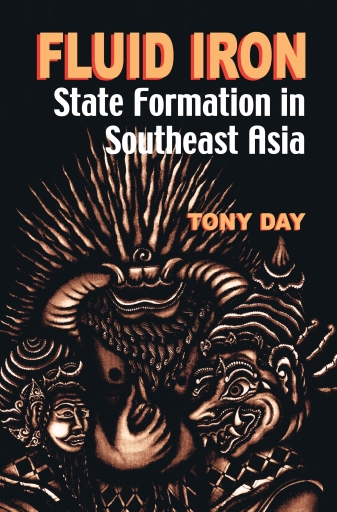
Fluid Iron
Autor: Day, Tony
Wydane przez University of Hawaii Press
English
354 stron
2002
ISBN 9780824862541
PDF
Buy at Catademic
🇺🇸
 Catademic
🇺🇸
Odwiedź sklep →
Catademic
🇺🇸
Odwiedź sklep →
 Bajalibros Latam
🇺🇸
Odwiedź sklep →
Bajalibros Latam
🇺🇸
Odwiedź sklep →
 Association of University Presses - Tienda FILUNI
🇺🇸
Odwiedź sklep →
Association of University Presses - Tienda FILUNI
🇺🇸
Odwiedź sklep →
 Ebooks Librería Antártica
🇨🇱
Odwiedź sklep →
Ebooks Librería Antártica
🇨🇱
Odwiedź sklep →
 Ebooks Agustin
🇪🇸
Odwiedź sklep →
Ebooks Agustin
🇪🇸
Odwiedź sklep →
 Bajalibros Argentina
🇦🇷
Odwiedź sklep →
Bajalibros Argentina
🇦🇷
Odwiedź sklep →
 Sanborns Ebooks
🇲🇽
Odwiedź sklep →
Sanborns Ebooks
🇲🇽
Odwiedź sklep →
 ebooks Libreria del GAM
🇨🇱
Odwiedź sklep →
ebooks Libreria del GAM
🇨🇱
Odwiedź sklep →
 Bookshop Uruguay
🇺🇾
Odwiedź sklep →
Bookshop Uruguay
🇺🇾
Odwiedź sklep →
 ebookskitapenas
🇬🇹
Odwiedź sklep →
ebookskitapenas
🇬🇹
Odwiedź sklep →
 Ebooks Yenny - El Ateneo
🇦🇷
Odwiedź sklep →
Ebooks Yenny - El Ateneo
🇦🇷
Odwiedź sklep →
 Crisol Ebooks
🇵🇪
Odwiedź sklep →
Crisol Ebooks
🇵🇪
Odwiedź sklep →
Dostępne w 12 księgarniach
Catademic
🇺🇸
Odwiedź sklep →
Bajalibros Latam
🇺🇸
Odwiedź sklep →
Association of University Presses - Tienda FILUNI
🇺🇸
Odwiedź sklep →
Ebooks Librería Antártica
🇨🇱
Odwiedź sklep →
Ebooks Agustin
🇪🇸
Odwiedź sklep →
Bajalibros Argentina
🇦🇷
Odwiedź sklep →
Sanborns Ebooks
🇲🇽
Odwiedź sklep →
ebooks Libreria del GAM
🇨🇱
Odwiedź sklep →
Bookshop Uruguay
🇺🇾
Odwiedź sklep →
ebookskitapenas
🇬🇹
Odwiedź sklep →
Ebooks Yenny - El Ateneo
🇦🇷
Odwiedź sklep →
Crisol Ebooks
🇵🇪
Odwiedź sklep →
O tej książce
<i>Fluid Iron</i> is the first extended treatment of state formation in Southeast Asia from early to contemporary times and the first book-length analysis of Western historical and ethnographic writing on the region. It includes critical assessments of the work of Clifford Geertz, O.W. Wolters, Benedict Anderson, and other major scholars who have written on early, colonial, and modern Southeast Asian history and culture. Making use of the ideas of Weber, Marx, Foucault, and postmodern and postcolonial theory, Tony Day argues that culture must be restored to the study of Southeast Asian history so that the state and historical developments in the region can be returned to their own "alternative" historical contexts and trajectories. He employs a wide range of contemporary scholarship, as well as Southeast Asian literary and historical texts, inscriptions, and temples to explore the kinds of concepts and practices--kinship networks, cosmologies, gender identities, bureaucracies, rituals, violence and aesthetics--that have been used for centuries to build states.Highly readable and accessibly written, <i>Fluid Iron</i> demonstrates that Southeast Asian state building has taken place in a part of the world that has always been a crossroads of cultural and transcultural change. Day urges Southeast Asians to learn more about the history of their own state formations so they can safeguard not only human freedom, but also the "incongruity" of their unique region in the years ahead.
Kategorie
- Język
- English
Udostępnij