
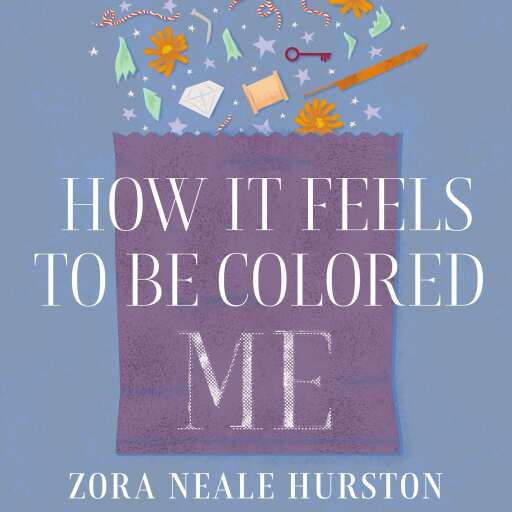
How It Feels To Be Colored Me
Autor: Hurston, Zora Neale
Wydane przez SNR Audio
Dostępne w 4 księgarniach
 Bajalibros Argentina
🇦🇷
Odwiedź sklep →
Bajalibros Argentina
🇦🇷
Odwiedź sklep →

 LORANCHBOOKSTORE
🇺🇸
Odwiedź sklep →
LORANCHBOOKSTORE
🇺🇸
Odwiedź sklep →
 Viubux
🇲🇽
Odwiedź sklep →
Viubux
🇲🇽
Odwiedź sklep →
O tej książce
Dostępność
How It Feels To Be Colored Me jest dostępna jako Audiobook w 4 księgarniach internetowych. Wśród księgarni, które ją oferują, są Bajalibros Argentina, Bajalibros Latam, LORANCHBOOKSTORE.
- Język
- English
Najczęstsze pytania
- W jakich formatach dostępna jest How It Feels To Be Colored Me?
- How It Feels To Be Colored Me jest dostępna jako Audiobook w 4 księgarniach internetowych.
- Gdzie mogę kupić How It Feels To Be Colored Me?
- Możesz kupić How It Feels To Be Colored Me w Bajalibros Argentina, Bajalibros Latam, LORANCHBOOKSTORE. Porównaj wszystkie opcje na liście na tej stronie.
Oceny i recenzje
Brak ocen. Bądź pierwszą osobą, która zrecenzuje tę książkę.
Zaloguj się aby ocenić i zrecenzować tę książkę.
Może ci się też spodobać
Veinte años después, Neoliberalismo con rostro humano
Fernando Atria
La filosofía de la responsabilidad civil. Estudios sobre los fundamentos filosóficos-jurídicos de la responsabilidad civil extracontractual
Carlos, Bernal Pulido, Jorge, Fabra
An Answer to a scurrilous pamphlet
Temple, William

Gato por liebre
Merino, Mauricio
Miradas sobre el presente: ensayos y sociología
Ayala, Francisco