

Japanese Temple Buddhism
Autor: Covell, Stephen G.
Wydane przez University of Hawaii Press
Dostępne w 13 księgarniach
 Association of University Presses - Tienda FILUNI
🇺🇸
Odwiedź sklep →
Association of University Presses - Tienda FILUNI
🇺🇸
Odwiedź sklep →
 Bajalibros Argentina
🇦🇷
Odwiedź sklep →
Bajalibros Argentina
🇦🇷
Odwiedź sklep →
 Bajalibros Latam
🇺🇸
Odwiedź sklep →
Bajalibros Latam
🇺🇸
Odwiedź sklep →

 Catademic
🇺🇸
Odwiedź sklep →
Catademic
🇺🇸
Odwiedź sklep →








O tej książce
Dostępność
Japanese Temple Buddhism jest dostępna jako PDF w 13 księgarni internetowej. Wśród księgarni, które ją oferują, są Association of University Presses - Tienda FILUNI, Bajalibros Argentina, Bajalibros Latam.
Kategorie
- Język
- English
Najczęstsze pytania
- W jakich formatach dostępna jest Japanese Temple Buddhism?
- Japanese Temple Buddhism jest dostępna jako PDF w 13 księgarni internetowej.
- Gdzie mogę kupić Japanese Temple Buddhism?
- Możesz kupić Japanese Temple Buddhism w Association of University Presses - Tienda FILUNI, Bajalibros Argentina, Bajalibros Latam. Porównaj wszystkie opcje na liście na tej stronie.
- Ile czasu zajmuje przeczytanie Japanese Temple Buddhism?
- Przy przeciętnym tempie czytania Japanese Temple Buddhism zajmuje około 5 godz. (273 stron).
Oceny i recenzje
Brak ocen. Bądź pierwszą osobą, która zrecenzuje tę książkę.
Zaloguj się aby ocenić i zrecenzować tę książkę.
Może ci się też spodobać
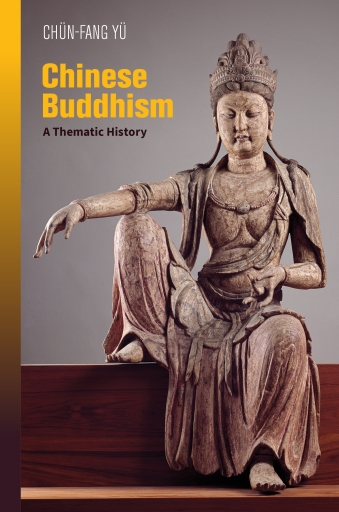
Chinese Buddhism
Yü, Chün-fang

Ritualized Writing
Lowe, Bryan D.

Tea in China
Benn, James A.

Periferias orientales
Carini, Catón, Puglisi, Rodolfo

Verdades sobre el Tíbet, los dalái lamas y el budismo
Baudouin,Bernard

As Transformações Históricas do Budismo e suas Implicações Ético-Sociais
Aveline, Ricardo Strauch