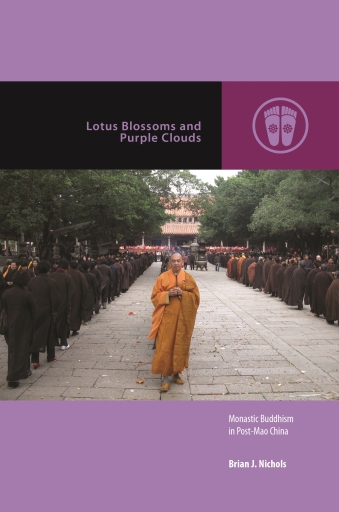
Lotus Blossoms and Purple Clouds
Autor: Nichols, Brian J.
Wydane przez University of Hawaii Press
English
2022
ISBN 9780824893460
eBook
Buy at Association of University Presses - Tienda FILUNI
🇺🇸
Catademic
🇺🇸
Odwiedź sklep →
UN
University of Hawaiʻi Press
🇺🇸
Odwiedź sklep →
ebookstaolistic
🇺🇸
Odwiedź sklep →
Bajalibros Latam
🇺🇸
Odwiedź sklep →
Association of University Presses - Tienda FILUNI
🇺🇸
Odwiedź sklep →

Ebooks Librería Antártica
🇨🇱
Odwiedź sklep →
Ebooks Agustin
🇪🇸
Odwiedź sklep →
Bajalibros Argentina
🇦🇷
Odwiedź sklep →

Sanborns Ebooks
🇲🇽
Odwiedź sklep →
ebooks Libreria del GAM
🇺🇾
Odwiedź sklep →
Bookshop Uruguay
🇺🇾
Odwiedź sklep →

ebookskitapenas
🇬🇹
Odwiedź sklep →
Ebooks Yenny - El Ateneo
🇦🇷
Odwiedź sklep →
Crisol Ebooks
🇨🇴
Odwiedź sklep →
Dostępne w 14 księgarniach
Catademic
🇺🇸
Odwiedź sklep →
UN
University of Hawaiʻi Press
🇺🇸
Odwiedź sklep →
ebookstaolistic
🇺🇸
Odwiedź sklep →
Association of University Presses - Tienda FILUNI
🇺🇸
Odwiedź sklep →
Ebooks Librería Antártica
🇨🇱
Odwiedź sklep →
Ebooks Agustin
🇪🇸
Odwiedź sklep →
Sanborns Ebooks
🇲🇽
Odwiedź sklep →
ebooks Libreria del GAM
🇺🇾
Odwiedź sklep →
ebookskitapenas
🇬🇹
Odwiedź sklep →
Ebooks Yenny - El Ateneo
🇦🇷
Odwiedź sklep →
Crisol Ebooks
🇨🇴
Odwiedź sklep →
O tej książce
<p>Southeast China is a traditional stronghold of Buddhism, but little scholarly attention has been paid to this fact. Brian Nichols’s pioneering book, <i>Lotus Blossoms and Purple Clouds, </i>centers on a large Buddhist monastery in Quanzhou and combines ethnographic detail with stimulating analysis to examine religion in post-Mao China. Nichols conducted more than twenty-six months of field research over a fourteen-year period (2005–2019) to develop a re-description of Chinese monastic Buddhism that reaches beyond canonical sources and master narratives to local texts, material culture, oral history, and living traditions. His work decenters normative accounts and sheds light on how Buddhism is lived and practiced. It introduces readers to Quanzhou Kaiyuan Monastery and its community of clergy striving to revive traditions after the turmoil of the Maoist era; the lay Buddhists worshiping in the monastery’s courtyards and halls; the busloads of tourists marveling at the site’s buildings and artifacts, some dating as far back as the Tang Dynasty (ninth century); and the local officials dedicated to supporting—and restricting—the return of religion.<br><br>Using gazetteers, epigraphy, and other archival sources, Nichols begins by tracing the history of Quanzhou Kaiyuan Monastery from the Tang Dynasty to the present, noting the continued relevance of preternatural events like the lotus-blooming mulberry trees and auspicious purple clouds associated with the founding of the monastery. The contemporary monastery is then explored through ethnographic participation/observation and interviews. Nichols uncovers a number of unexpected features of Buddhist religious life, making a case for the fundamentally liturgical nature of Buddhist monastic practice—one marked by a program of daily <i>dharaṇi</i> (sacred text) recitation, esoteric traditions, and ancestor veneration. Finally, he presents an innovative spatial analysis of the Quanzhou Kaiyuan Monastery temple that reveals how different groups engage with the site to create a place of religious practice, a tourist attraction, and a community park.</p>
Kategorie
- Język
- English
Udostępnij