
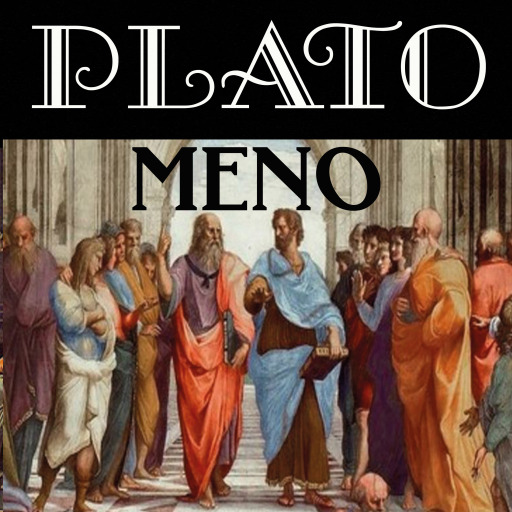
Meno
Autor: Plato
Wydane przez Strelbytskyy Multimedia Publishing
English
2024
ISBN 4099995462784
Audiobook
Buy at LORANCHBOOKSTORE
🇺🇸
 Bajalibros Latam
🇺🇸
Odwiedź sklep →
Bajalibros Latam
🇺🇸
Odwiedź sklep →
 LORANCHBOOKSTORE
🇺🇸
Odwiedź sklep →
LORANCHBOOKSTORE
🇺🇸
Odwiedź sklep →
 Ebooks Librería Carlos Fuentes
🇲🇽
Odwiedź sklep →
Ebooks Librería Carlos Fuentes
🇲🇽
Odwiedź sklep →
 Viubux
🇲🇽
Odwiedź sklep →
Viubux
🇲🇽
Odwiedź sklep →
 ebooks libreria española
🇪🇨
Odwiedź sklep →
ebooks libreria española
🇪🇨
Odwiedź sklep →
 Bajalibros Argentina
🇦🇷
Odwiedź sklep →
Bajalibros Argentina
🇦🇷
Odwiedź sklep →
 Alpha Books
🇨🇴
Odwiedź sklep →
Alpha Books
🇨🇴
Odwiedź sklep →
 Sanborns Ebooks
🇲🇽
Odwiedź sklep →
Sanborns Ebooks
🇲🇽
Odwiedź sklep →
 ebooks Libreria del GAM
🇨🇱
Odwiedź sklep →
ebooks Libreria del GAM
🇨🇱
Odwiedź sklep →
 Bookshop Uruguay
🇺🇾
Odwiedź sklep →
Bookshop Uruguay
🇺🇾
Odwiedź sklep →
 Ebooks Yenny - El Ateneo
🇦🇷
Odwiedź sklep →
Ebooks Yenny - El Ateneo
🇦🇷
Odwiedź sklep →
 Crisol Ebooks
🇵🇪
Odwiedź sklep →
Crisol Ebooks
🇵🇪
Odwiedź sklep →
Dostępne w 12 księgarniach
Bajalibros Latam
🇺🇸
Odwiedź sklep →
LORANCHBOOKSTORE
🇺🇸
Odwiedź sklep →
Ebooks Librería Carlos Fuentes
🇲🇽
Odwiedź sklep →
Viubux
🇲🇽
Odwiedź sklep →
ebooks libreria española
🇪🇨
Odwiedź sklep →
Bajalibros Argentina
🇦🇷
Odwiedź sklep →
Alpha Books
🇨🇴
Odwiedź sklep →
Sanborns Ebooks
🇲🇽
Odwiedź sklep →
ebooks Libreria del GAM
🇨🇱
Odwiedź sklep →
Bookshop Uruguay
🇺🇾
Odwiedź sklep →
Ebooks Yenny - El Ateneo
🇦🇷
Odwiedź sklep →
Crisol Ebooks
🇵🇪
Odwiedź sklep →
O tej książce
Meno is a Socratic dialogue written by Plato. Meno begins the dialogue by asking Socrates whether virtue is taught, acquired by practice, or comes by nature. In order to determine whether virtue is teachable or not, Socrates tells Meno that they first need to determine what virtue is. When the characters speak of virtue, or rather arete, they refer to virtue in general, rather than particular virtues, such as justice or temperance. The first part of the work showcases Socratic dialectical style; Meno, unable to adequately define virtue, is reduced to confusion or aporia. Socrates suggests that they seek an adequate definition for virtue together. In response, Meno suggests that it is impossible to seek what one does not know, because one will be unable to determine whether one has found it.
Kategorie
- Język
- English
Udostępnij
Może ci się też spodobać

La adivina
Wood, Barbara

El Hispano
Mañas, José Ángel
Amor contra Roma (edició en català)
Amela, Víctor

Antica Madre
Manfredi, Valerio Massimo
Plato: The Complete Works (31 Books)
Plato
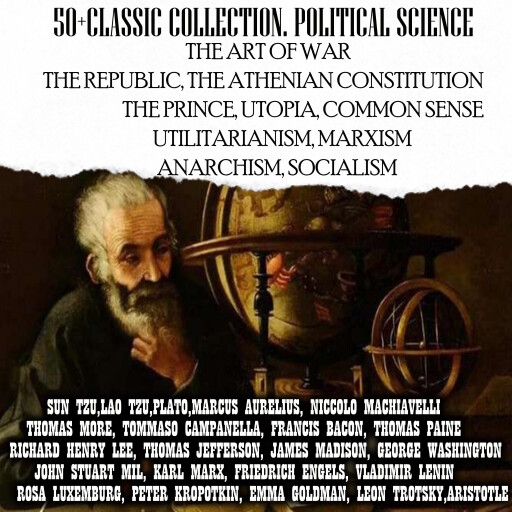
50+ Classic collection. Political science
Luxemburg, Rosa, Trotsky, León, Mill, John Stuart, Goldman, Emma, Bacon, Francis, Marx, Karl, Tzu, Sun, Tzu, Lao, More, Thomas, Paine, Thomas, Machiavelli, Niccolò, Aurelius, Marcus, Plato, Lenin, Vladimir, Kropotkin, Peter, Campanella, Tommaso