Przejdź do głównej treści
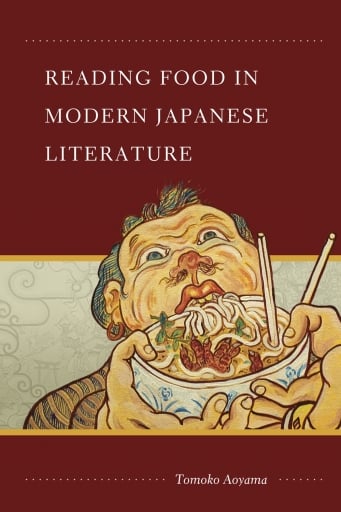
Reading Food in Modern Japanese Literature

Reading Food in Modern Japanese Literature

Autor: Aoyama, Tomoko

Wydane przez University of Hawaii Press

English 289 stron 2008 ISBN 9780824864071
Szacowany czas czytania: 5 godz. 18 min
PDF

O tej książce

Literature, like food, is, in Terry Eagleton’s words, "endlessly interpretable," and food, like literature, "looks like an object but is actually a relationship." So how much do we, and should we, read into the way food is represented in literature? Reading Food explores this and other questions in an unusual and fascinating tour of twentieth-century Japanese literature. Tomoko Aoyama analyzes a wide range of diverse writings that focus on food, eating, and cooking and considers how factors such as industrialization, urbanization, nationalism, and gender construction have affected people’s relationships to food, nature, and culture, and to each other. The examples she offers are taken from novels (shosetsu) and other literary texts and include well known writers (such as Tanizaki Jun’ichiro, Hayashi Fumiko, Okamoto Kanoko, Kaiko Takeshi, and Yoshimoto Banana) as well as those who are less widely known (Murai Gensai, Nagatsuka Takashi, Sumii Sue, and Numa Shozo). Food is everywhere in Japanese literature, and early chapters illustrate historical changes and variations in the treatment of food and eating. Examples are drawn from Meiji literary diaries, children’s stories, peasant and proletarian literature, and women’s writing before and after World War II. The author then turns to the theme of cannibalism in serious and popular novels. Key issues include ethical questions about survival, colonization, and cultural identity. The quest for gastronomic gratification is a dominant theme in "gourmet novels." Like cannibalism, the gastronomic journey as a literary theme is deeply implicated with cultural identity. The final chapter deals specifically with contemporary novels by women, some of which celebrate the inclusiveness of eating (and writing), while others grapple with the fear of eating. Such dread or disgust can be seen as a warning against what the complacent "gourmet boom" of the 1980s and 1990s concealed: the dangers of a market economy, environmental destruction, and continuing gender biases. Reading Food in Modern Japanese Literature will tempt any reader with an interest in food, literature, and culture. Moreover, it provides appetizing hints for further savoring, digesting, and incorporating textual food.

Dostępność

Reading Food in Modern Japanese Literature jest dostępna jako PDF w 13 księgarni internetowej. Wśród księgarni, które ją oferują, są Association of University Presses - Tienda FILUNI, Bajalibros Argentina, Bajalibros Latam.

Język
English
Udostępnij

Najczęstsze pytania

W jakich formatach dostępna jest Reading Food in Modern Japanese Literature?
Reading Food in Modern Japanese Literature jest dostępna jako PDF w 13 księgarni internetowej.
Gdzie mogę kupić Reading Food in Modern Japanese Literature?
Możesz kupić Reading Food in Modern Japanese Literature w Association of University Presses - Tienda FILUNI, Bajalibros Argentina, Bajalibros Latam. Porównaj wszystkie opcje na liście na tej stronie.
Ile czasu zajmuje przeczytanie Reading Food in Modern Japanese Literature?
Przy przeciętnym tempie czytania Reading Food in Modern Japanese Literature zajmuje około 5 godz. 18 min (289 stron).

Oceny i recenzje

Brak ocen. Bądź pierwszą osobą, która zrecenzuje tę książkę.

Zaloguj się aby ocenić i zrecenzować tę książkę.

Komentarze

Zaloguj się aby dołączyć do rozmowy.

Brak komentarzy.