
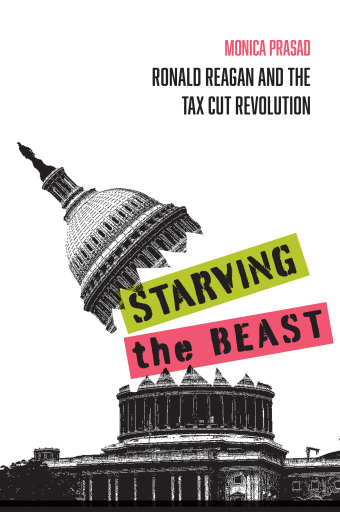
Starving the Beast
Autor: Prasad, Monica
Wydane przez Russell Sage Foundation
Dostępne w 13 księgarniach
 Association of University Presses - Tienda FILUNI
🇺🇸
Odwiedź sklep →
Association of University Presses - Tienda FILUNI
🇺🇸
Odwiedź sklep →

 Bajalibros Latam
🇺🇸
Odwiedź sklep →
Bajalibros Latam
🇺🇸
Odwiedź sklep →
 Bookshop Uruguay
🇺🇾
Odwiedź sklep →
Bookshop Uruguay
🇺🇾
Odwiedź sklep →
 Catademic
🇺🇸
Odwiedź sklep →
Catademic
🇺🇸
Odwiedź sklep →








O tej książce
Dostępność
Starving the Beast jest dostępna jako eBook w 13 księgarni internetowej. Wśród księgarni, które ją oferują, są Association of University Presses - Tienda FILUNI, Bajalibros Argentina, Bajalibros Latam.
- Język
- English
Najczęstsze pytania
- W jakich formatach dostępna jest Starving the Beast?
- Starving the Beast jest dostępna jako eBook w 13 księgarni internetowej.
- Gdzie mogę kupić Starving the Beast?
- Możesz kupić Starving the Beast w Association of University Presses - Tienda FILUNI, Bajalibros Argentina, Bajalibros Latam. Porównaj wszystkie opcje na liście na tej stronie.
Oceny i recenzje
Brak ocen. Bądź pierwszą osobą, która zrecenzuje tę książkę.
Zaloguj się aby ocenić i zrecenzować tę książkę.
Może ci się też spodobać

"Public enforcement" y descentralización en la aplicación de las normas de libre competencia en la Comunidad Europea y en España
Soto Pineda, Jesús Alfonso

2017
Jiménez Torres, David

La crisis existencial de Europa
Molinas Sans, César, Ramírez Mazarredo, Fernando
Los ricos vamos ganando
Losada, Antón

Crisis y reformas. Los desafíos de la economía colombiana en la tercera década del siglo XXI
Carlos Caballero Argáez, Germán Darío Machado Rodríguez
Third State of the Union Address
Buchanan, James