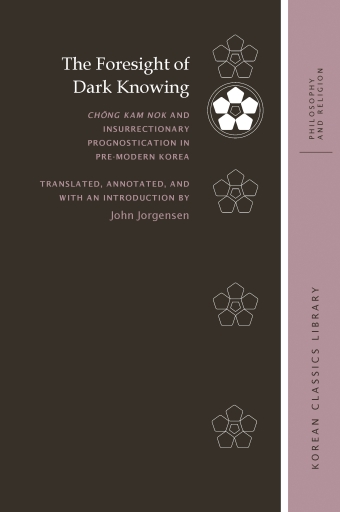
The Foresight of Dark Knowing
Autor: Jorgensen, John
Wydane przez University of Hawaii Press
English
2018
ISBN 9780824875565
eBook
Buy at Bajalibros Latam
🇺🇸
Catademic
🇺🇸
Odwiedź sklep →
Bajalibros Latam
🇺🇸
Odwiedź sklep →
Association of University Presses - Tienda FILUNI
🇺🇸
Odwiedź sklep →

Ebooks Librería Antártica
🇨🇱
Odwiedź sklep →
Ebooks Agustin
🇪🇸
Odwiedź sklep →
Bajalibros Argentina
🇦🇷
Odwiedź sklep →

Sanborns Ebooks
🇲🇽
Odwiedź sklep →
ebooks Libreria del GAM
🇺🇾
Odwiedź sklep →
Bookshop Uruguay
🇺🇾
Odwiedź sklep →

ebookskitapenas
🇬🇹
Odwiedź sklep →
Ebooks Yenny - El Ateneo
🇦🇷
Odwiedź sklep →
Crisol Ebooks
🇨🇴
Odwiedź sklep →
Dostępne w 12 księgarniach
Catademic
🇺🇸
Odwiedź sklep →
Association of University Presses - Tienda FILUNI
🇺🇸
Odwiedź sklep →
Ebooks Librería Antártica
🇨🇱
Odwiedź sklep →
Ebooks Agustin
🇪🇸
Odwiedź sklep →
Sanborns Ebooks
🇲🇽
Odwiedź sklep →
ebooks Libreria del GAM
🇺🇾
Odwiedź sklep →
ebookskitapenas
🇬🇹
Odwiedź sklep →
Ebooks Yenny - El Ateneo
🇦🇷
Odwiedź sklep →
Crisol Ebooks
🇨🇴
Odwiedź sklep →
O tej książce
<p>Korea has long had an underground insurrectionary literature. The best-known example of the genre is the <i>Chŏng Kam nok, </i>a collection of premodern texts predicting the overthrow of the Yi Dynasty (1392–1910) that in recent times has been invoked by a wide range of groups to support various causes and agendas: from leaders of Korea’s new religious movements formed during and after the Japanese occupation to spin doctors in the South Korean elections of the 1990s to proponents of an aborted attempt to move the capital from Seoul in the early 2000s.<br><br>Written to inspire uprisings and foment dissatisfaction, the <i>Chŏng Kam nok</i> texts are anonymous and undated. (Most were probably written between the seventeenth and late nineteenth centuries.) In his expansive introduction to this first English translation<i>,</i> John Jorgensen notes that the work employs forms or codes of political prediction (Ch. <i>tuch’en</i>; Kor. <i>toch’am</i>) allied with Chinese geomancy (<i>fengshui</i>) but in a combination unique to Korea. The two types of codes appear to deal with different subjects—the potency of geographical locations and political predictions derived from numerological cycles, omens, and symbols—but both emerge from a similar intellectual sphere of prognostication arts that includes divination, the <i>Yijing </i>(Book of Changes), physiognomy, and astrology in early China, and both share theoretical components, such as the fluctuation of <i>ki </i>(Ch. <i>qi</i>). In addition to ambiguous and obscure passages, allusion and indirection abound; many predictions are attributed to famous people in the distant past or made after the fact to lend the final outcome an air of authority. Jorgensen’s invaluable introduction contains a wealth of background on the history and techniques of political prediction, augury, and geomancy from the first-century Han dynasty in China to the end of the nineteenth century in Korea, providing readers with a thorough account of East Asian geomancy based on original sources.<br><br>This volume will be welcomed by students and scholars of premodern Korean history and beliefs and those with an interest in early, arcane sources of political disinformation that remain relevant in South Korea to this day.</p>
- Język
- English
Udostępnij