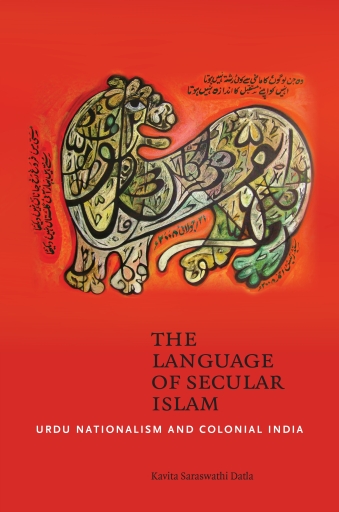
The Language of Secular Islam
Autor: Datla, Kavita
Wydane przez University of Hawaii Press
English
250 stron
2013
ISBN 9780824837914
PDF
Buy at Catademic
🇺🇸
Catademic
🇺🇸
Odwiedź sklep →
Bajalibros Latam
🇺🇸
Odwiedź sklep →
Association of University Presses - Tienda FILUNI
🇺🇸
Odwiedź sklep →

Ebooks Librería Antártica
🇨🇱
Odwiedź sklep →
Ebooks Agustin
🇪🇸
Odwiedź sklep →
Bajalibros Argentina
🇦🇷
Odwiedź sklep →

Sanborns Ebooks
🇲🇽
Odwiedź sklep →
ebooks Libreria del GAM
🇺🇾
Odwiedź sklep →
Bookshop Uruguay
🇺🇾
Odwiedź sklep →

ebookskitapenas
🇬🇹
Odwiedź sklep →
Ebooks Yenny - El Ateneo
🇦🇷
Odwiedź sklep →
Crisol Ebooks
🇨🇴
Odwiedź sklep →
Dostępne w 12 księgarniach
Catademic
🇺🇸
Odwiedź sklep →
Association of University Presses - Tienda FILUNI
🇺🇸
Odwiedź sklep →
Ebooks Librería Antártica
🇨🇱
Odwiedź sklep →
Ebooks Agustin
🇪🇸
Odwiedź sklep →
Sanborns Ebooks
🇲🇽
Odwiedź sklep →
ebooks Libreria del GAM
🇺🇾
Odwiedź sklep →
ebookskitapenas
🇬🇹
Odwiedź sklep →
Ebooks Yenny - El Ateneo
🇦🇷
Odwiedź sklep →
Crisol Ebooks
🇨🇴
Odwiedź sklep →
O tej książce
<p>During the turbulent period prior to colonial India’s partition and independence, Muslim intellectuals in Hyderabad sought to secularize and reformulate their linguistic, historical, religious, and literary traditions for the sake of a newly conceived national public. Responding to the model of secular education introduced to South Asia by the British, Indian academics launched a spirited debate about the reform of Islamic education, the importance of education in the spoken languages of the country, the shape of Urdu and its past, and the significance of the histories of Islam and India for their present. <br><br><i>The Language of Secular Islam</i> pursues an alternative account of the political disagreements between Hindus and Muslims in South Asia, conflicts too often described as the product of primordial and unchanging attachments to religion. The author suggests that the political struggles of India in the 1930s, the very decade in which the demand for Pakistan began to be articulated, should not be understood as the product of an inadequate or incomplete secularism, but as the clashing of competing secular agendas. Her work explores negotiations over language, education, and religion at Osmania University, the first university in India to use a modern Indian language (Urdu) as its medium of instruction, and sheds light on questions of colonial displacement and national belonging.<br><br>Grounded in close attention to historical evidence, <i>The Language of Secular Islam</i> has broad ramifications for some of the most difficult issues currently debated in the humanities and social sciences: the significance and legacies of European colonialism, the inclusions and exclusions enacted by nationalist projects, the place of minorities in the forging of nationalism, and the relationship between religion and modern politics. It will be of interest to historians of colonial India, scholars of Islam, and anyone who follows the politics of Urdu.</p>
Kategorie
- Język
- English
Udostępnij