
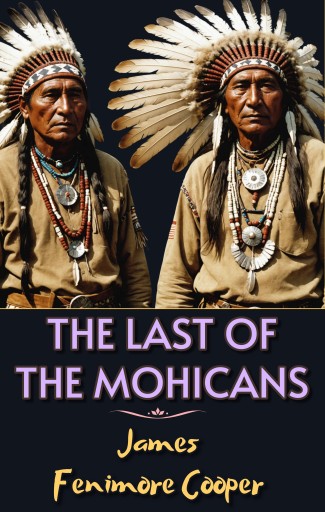
The Last of the Mohicans
Autor: Cooper, James Fenimore
Wydane przez E-Kitap Projesi & Cheapest Books
Dostępne w 15 księgarniach
 Alpha Books
🇨🇴
Odwiedź sklep →
Alpha Books
🇨🇴
Odwiedź sklep →
 Bajalibros Argentina
🇦🇷
Odwiedź sklep →
Bajalibros Argentina
🇦🇷
Odwiedź sklep →
 Bajalibros Latam
🇺🇸
Odwiedź sklep →
Bajalibros Latam
🇺🇸
Odwiedź sklep →
 Bookshop Uruguay
🇺🇾
Odwiedź sklep →
Bookshop Uruguay
🇺🇾
Odwiedź sklep →
 Crisol Ebooks
🇵🇪
Odwiedź sklep →
Crisol Ebooks
🇵🇪
Odwiedź sklep →









O tej książce
Dostępność
The Last of the Mohicans jest dostępna jako eBook w 15 księgarni internetowej. Wśród księgarni, które ją oferują, są Alpha Books, Bajalibros Argentina, Bajalibros Latam.
Kategorie
- Język
- English
Najczęstsze pytania
- W jakich formatach dostępna jest The Last of the Mohicans?
- The Last of the Mohicans jest dostępna jako eBook w 15 księgarni internetowej.
- Gdzie mogę kupić The Last of the Mohicans?
- Możesz kupić The Last of the Mohicans w Alpha Books, Bajalibros Argentina, Bajalibros Latam. Porównaj wszystkie opcje na liście na tej stronie.
Oceny i recenzje
Brak ocen. Bądź pierwszą osobą, która zrecenzuje tę książkę.
Zaloguj się aby ocenić i zrecenzować tę książkę.
Może ci się też spodobać
Princess
McClelland, M. G.
Shadows in the Moonlight
Howard, Robert E.

Spicilège
Schwob, Marcel
180 Masterpieces You Should Read Before You Die (Vol.2)
Goethe, Johann Wolfgang von, Stendhal, Verne, Jules, Flaubert, Gustave, Storm, Theodor, Ibsen, Henrik, Dickens, Charles, Balzac, Honoré de, Stowe, Harriet Beecher, Tagore, Rabindranath, Dostoyevsky, Fyodor, Cooper, James Fenimore, Poe, Edgar Allan, Buchan, John, Confucius, MacDonald, George, Stoker, Bram, James, Henry, Hugo, Victor, Conrad, Joseph, Austen, Jane, Scott, Walter, Sterne, Laurence, Hardy, Thomas, Swift, Jonathan, Wharton, Edith, Pérez Galdós, Benito, Defoe, Daniel, Fielding, Henry, Lewis, Sinclair, Trollope, Anthony, Dumas, Alexandre, Howells, William Dean, Woolf, Virginia, Atkinson, William Walker, Grahame, Kenneth, Irving, Washington, Cather, Willa, Hawthorne, Nathaniel, Homer, Leroux, Gastón, Ford, Ford Madox, Franklin, Benjamin, Chopin, Kate, Milton, John, Wallace, Edgar, Laozi, Joyce, James, Radcliffe, Ann Ward, Okakura, Kakuzo, Wells, H. G., Yeats, W. B., Barrie, J. M., Chesterton, G. K., Jerome, Jerome K., Montgomery, L. M., Maugham, W. Somerset, Forster, E. M., Fitzgerald, F. Scott, Wallace, Lewis, Turgenev, Ivan, Tolstoy, Leo, Gógol, Nikolai, Shaw, George Bernard, Xueqin, Cao, Zola, Émile, Chatterjee, Bankim Chandra, Shelley, P. B., Von Arnim, Elizabeth, Dante, de la Barca, Pedro Calderón, Coué, Émile, Grossmith, George Weedon, Collins, Willkie, Lawrence, D.H., Machiavelli
Gesammelte Werke: Romane, Sagen und Märchen
Naubert, Benedikte
The Everlasting Masterpieces of World Literature in One Edition
Goethe, Johann Wolfgang von, Stendhal, Verne, Jules, Flaubert, Gustave, Carroll, Lewis, Ibsen, Henrik, Dickens, Charles, Plato, Balzac, Honoré de, Twain, Mark, Stowe, Harriet Beecher, Tagore, Rabindranath, Dostoyevsky, Fyodor, Whitman, Walt, Machiavelli, Niccolò, Wilde, Oscar, Stevenson, Robert Louis, Cooper, James Fenimore, Poe, Edgar Allan, Shakespeare, William, Boccaccio, Giovanni, Confucius, MacDonald, George, Stoker, Bram, Brontë, Charlotte, Brontë, Emily, Thoreau, Henry David, London, Jack, James, Henry, Alcott, Louisa May, Hugo, Victor, Doyle, Arthur Conan, Burnett, Frances Hodgson, Conrad, Joseph, Austen, Jane, Melville, Herman, Eliot, George, Sterne, Laurence, Hardy, Thomas, Swift, Jonathan, Wharton, Edith, Pérez Galdós, Benito, Defoe, Daniel, Fielding, Henry, Dumas, Alexandre, Kâlidasa, Grahame, Kenneth, Proust, Marcel, Cather, Willa, Hawthorne, Nathaniel, Homer, Leroux, Gastón, Baudelaire, Charles, Collins, Wilkie, Thackeray, William Makepeace, Voltaire, Chopin, Kate, Apuleius, Milton, John, Douglass, Frederick, Laozi, Keats, John, Joyce, James, Radcliffe, Ann Ward, Gibran, Kahlil, Okakura, Kakuzo, Natsume, Sōseki, Der Ling, Princess, Wells, H. G., Yeats, W. B., Barrie, J. M., Chesterton, G. K., Eliot, T. S., Montgomery, L. M., Lewis, C. S., Lawrence, D. H., Forster, E. M., Lovecraft, H. P., Aurelius, Marcus, Nietzsche, Friedrich, Wallace, Lewis, Turgenev, Ivan, Chekhov, Anton, Tolstoy, Leo, Gógol, Nikolai, Scott, Walter, Sir, Shaw, George Bernard, de Cervantes, Miguel, Shelley, Mary, Xueqin, Cao, Zola, Émile, Válmíki, Chatterjee, Bankim Chandra, Shelley, P. B., Von Arnim, Elizabeth, Hesse, Herman, Dante, de la Barca, Pedro Calderón, Tzu, Sun, Nitobe, Inazo, Grossmith, George Weedon