
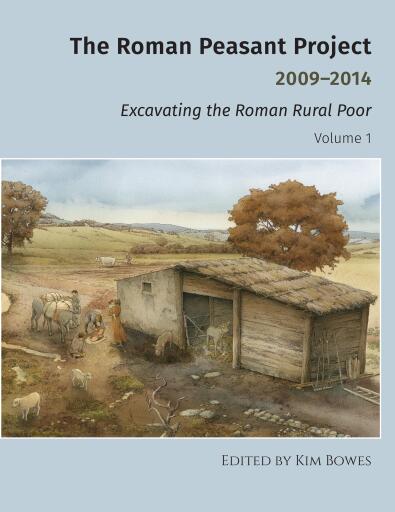
The Roman Peasant Project 2009-2014
Wydane przez University of Pennsylvania Museum
Dostępne w 11 księgarniach
 Alpha Books
🇨🇴
Odwiedź sklep →
Alpha Books
🇨🇴
Odwiedź sklep →
 Bajalibros Argentina
🇦🇷
Odwiedź sklep →
Bajalibros Argentina
🇦🇷
Odwiedź sklep →
 Bajalibros Latam
🇺🇸
Odwiedź sklep →
Bajalibros Latam
🇺🇸
Odwiedź sklep →
 Bookshop Uruguay
🇺🇾
Odwiedź sklep →
Bookshop Uruguay
🇺🇾
Odwiedź sklep →
 Crisol Ebooks
🇵🇪
Odwiedź sklep →
Crisol Ebooks
🇵🇪
Odwiedź sklep →






O tej książce
Dostępność
The Roman Peasant Project 2009-2014 jest dostępna jako PDF w 11 księgarni internetowej. Wśród księgarni, które ją oferują, są Alpha Books, Bajalibros Argentina, Bajalibros Latam.
Kategorie
- Język
- English
Najczęstsze pytania
- W jakich formatach dostępna jest The Roman Peasant Project 2009-2014?
- The Roman Peasant Project 2009-2014 jest dostępna jako PDF w 11 księgarni internetowej.
- Gdzie mogę kupić The Roman Peasant Project 2009-2014?
- Możesz kupić The Roman Peasant Project 2009-2014 w Alpha Books, Bajalibros Argentina, Bajalibros Latam. Porównaj wszystkie opcje na liście na tej stronie.
- Ile czasu zajmuje przeczytanie The Roman Peasant Project 2009-2014?
- Przy przeciętnym tempie czytania The Roman Peasant Project 2009-2014 zajmuje około 14 godz. 55 min (814 stron).
Oceny i recenzje
Brak ocen. Bądź pierwszą osobą, która zrecenzuje tę książkę.
Zaloguj się aby ocenić i zrecenzować tę książkę.
Może ci się też spodobać

The Jewish Wars
Josephus, Flavius

THE PRINCE OF INDIA (Historical Novel)
Wallace, Lew
Ancient Macedonians in Greek and Roman Sources

Syene III. Untersuchungen zur romischen Keramik und weiteren Funden aus Syene / Assuan (1.-7. Jahrhundert AD). Grabungen 2001 2004
Martin-Kilcher, Stefanie, Wininger, Jacqueline

Genies der Wissenschaft
Fritsche, Jürgen

Sobre a brevidade da vida – Edição Bilíngue
Sêneca