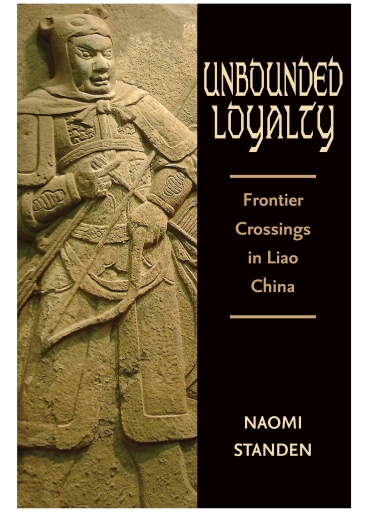
Unbounded Loyalty
Autor: Standen, Naomi
Wydane przez University of Hawaii Press
English
297 stron
2006
ISBN 9780824865351
PDF
Buy at Bajalibros Latam
🇺🇸
 Catademic
🇺🇸
Odwiedź sklep →
Catademic
🇺🇸
Odwiedź sklep →
 Bajalibros Latam
🇺🇸
Odwiedź sklep →
Bajalibros Latam
🇺🇸
Odwiedź sklep →
 Association of University Presses - Tienda FILUNI
🇺🇸
Odwiedź sklep →
Association of University Presses - Tienda FILUNI
🇺🇸
Odwiedź sklep →
 Ebooks Librería Antártica
🇨🇱
Odwiedź sklep →
Ebooks Librería Antártica
🇨🇱
Odwiedź sklep →
 Ebooks Agustin
🇪🇸
Odwiedź sklep →
Ebooks Agustin
🇪🇸
Odwiedź sklep →
 Bajalibros Argentina
🇦🇷
Odwiedź sklep →
Bajalibros Argentina
🇦🇷
Odwiedź sklep →
 Sanborns Ebooks
🇲🇽
Odwiedź sklep →
Sanborns Ebooks
🇲🇽
Odwiedź sklep →
 ebooks Libreria del GAM
🇨🇱
Odwiedź sklep →
ebooks Libreria del GAM
🇨🇱
Odwiedź sklep →
 Bookshop Uruguay
🇺🇾
Odwiedź sklep →
Bookshop Uruguay
🇺🇾
Odwiedź sklep →
 ebookskitapenas
🇬🇹
Odwiedź sklep →
ebookskitapenas
🇬🇹
Odwiedź sklep →
 Ebooks Yenny - El Ateneo
🇦🇷
Odwiedź sklep →
Ebooks Yenny - El Ateneo
🇦🇷
Odwiedź sklep →
 Crisol Ebooks
🇵🇪
Odwiedź sklep →
Crisol Ebooks
🇵🇪
Odwiedź sklep →
Dostępne w 12 księgarniach
Catademic
🇺🇸
Odwiedź sklep →
Bajalibros Latam
🇺🇸
Odwiedź sklep →
Association of University Presses - Tienda FILUNI
🇺🇸
Odwiedź sklep →
Ebooks Librería Antártica
🇨🇱
Odwiedź sklep →
Ebooks Agustin
🇪🇸
Odwiedź sklep →
Bajalibros Argentina
🇦🇷
Odwiedź sklep →
Sanborns Ebooks
🇲🇽
Odwiedź sklep →
ebooks Libreria del GAM
🇨🇱
Odwiedź sklep →
Bookshop Uruguay
🇺🇾
Odwiedź sklep →
ebookskitapenas
🇬🇹
Odwiedź sklep →
Ebooks Yenny - El Ateneo
🇦🇷
Odwiedź sklep →
Crisol Ebooks
🇵🇪
Odwiedź sklep →
O tej książce
<p><i>Unbounded Loyalty</i> investigates how frontiers worked before the modern nation-state was invented. The perspective is that of the people in the borderlands who shifted their allegiance from the post-Tang regimes in North China to the new Liao empire (907–1125). Naomi Standen offers new ways of thinking about borders, loyalty, and identity in premodern China. She takes as her starting point the recognition that, at the time, "China" did not exist as a coherent entity, neither politically nor geographically, neither ethnically nor ideologically. Political borders were not the fixed geographical divisions of the modern world, but a function of relationships between leaders and followers. When local leaders changed allegiance, the borderline moved with them. Cultural identity did not determine people’s actions: Ethnicity did not exist. In this context, she argues, collaboration, resistance, and accommodation were not meaningful concepts, and tenth-century understandings of loyalty were broad and various.<br><br><i>Unbounded Loyalty</i> sheds fresh light on the Tang-Song transition by focusing on the much-neglected tenth century and by treating the Liao as the preeminent Tang successor state. It fills several important gaps in scholarship on premodern China as well as uncovering new questions regarding the early modern period. It will be regarded as critically important to all scholars of the Tang, Liao, Five Dynasties, and Song periods and will be read widely by those working on Chinese history from the Han to the Qing.</p>
Kategorie
- Język
- English
Udostępnij