
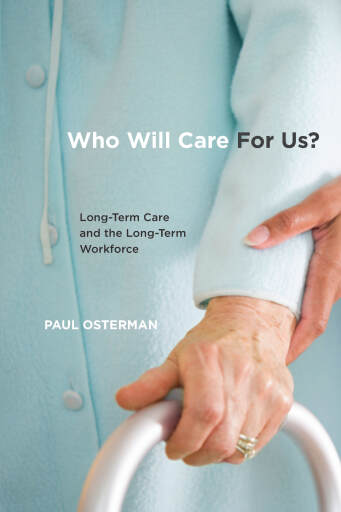
Who Will Care For Us?
Autor: Osterman, Paul
Wydane przez Russell Sage Foundation
English
2017
ISBN 9781610448673
eBook
Buy at Bajalibros Latam
🇺🇸
 Catademic
🇺🇸
Odwiedź sklep →
Catademic
🇺🇸
Odwiedź sklep →
 Bajalibros Latam
🇺🇸
Odwiedź sklep →
Bajalibros Latam
🇺🇸
Odwiedź sklep →
 Association of University Presses - Tienda FILUNI
🇺🇸
Odwiedź sklep →
Association of University Presses - Tienda FILUNI
🇺🇸
Odwiedź sklep →
 Ebooks Librería Antártica
🇨🇱
Odwiedź sklep →
Ebooks Librería Antártica
🇨🇱
Odwiedź sklep →
 Ebooks Agustin
🇪🇸
Odwiedź sklep →
Ebooks Agustin
🇪🇸
Odwiedź sklep →
 Bajalibros Argentina
🇦🇷
Odwiedź sklep →
Bajalibros Argentina
🇦🇷
Odwiedź sklep →
 Sanborns Ebooks
🇲🇽
Odwiedź sklep →
Sanborns Ebooks
🇲🇽
Odwiedź sklep →
 ebooks Libreria del GAM
🇨🇱
Odwiedź sklep →
ebooks Libreria del GAM
🇨🇱
Odwiedź sklep →
 Bookshop Uruguay
🇺🇾
Odwiedź sklep →
Bookshop Uruguay
🇺🇾
Odwiedź sklep →
 ebookskitapenas
🇬🇹
Odwiedź sklep →
ebookskitapenas
🇬🇹
Odwiedź sklep →
 Ebooks Yenny - El Ateneo
🇦🇷
Odwiedź sklep →
Ebooks Yenny - El Ateneo
🇦🇷
Odwiedź sklep →
 Crisol Ebooks
🇵🇪
Odwiedź sklep →
Crisol Ebooks
🇵🇪
Odwiedź sklep →
Dostępne w 12 księgarniach
Catademic
🇺🇸
Odwiedź sklep →
Bajalibros Latam
🇺🇸
Odwiedź sklep →
Association of University Presses - Tienda FILUNI
🇺🇸
Odwiedź sklep →
Ebooks Librería Antártica
🇨🇱
Odwiedź sklep →
Ebooks Agustin
🇪🇸
Odwiedź sklep →
Bajalibros Argentina
🇦🇷
Odwiedź sklep →
Sanborns Ebooks
🇲🇽
Odwiedź sklep →
ebooks Libreria del GAM
🇨🇱
Odwiedź sklep →
Bookshop Uruguay
🇺🇾
Odwiedź sklep →
ebookskitapenas
🇬🇹
Odwiedź sklep →
Ebooks Yenny - El Ateneo
🇦🇷
Odwiedź sklep →
Crisol Ebooks
🇵🇪
Odwiedź sklep →
O tej książce
The number of elderly and disabled adults who require assistance with day-to-day activities is expected to double over the next twenty-five years. As a result, direct care workers such as home care aides and certified nursing assistants (CNAs) will become essential to many more families. Yet these workers tend to be low-paid, poorly trained, and receive little respect. Is such a workforce capable of addressing the needs of our aging population? In <i>Who Will Care for Us?</i> economist Paul Osterman assesses the challenges facing the long-term care industry. He presents an innovative policy agenda that reconceives direct care workers’ work roles and would improve both the quality of their jobs and the quality of elder care.<br> <br> Using national surveys, administrative data, and nearly 120 original interviews with workers, employers, advocates, and policymakers, Osterman finds that direct care workers are marginalized and often invisible in the health care system. While doctors and families alike agree that good home care aides and CNAs are crucial to the well-being of their patients, the workers report poverty-level wages, erratic schedules, exclusion from care teams, and frequent incidences of physical injury on the job. Direct care workers are also highly constrained by policies that specify what they are allowed to do on the job, and in some states are even prevented from simple tasks such as administering eye drops.<br> <br> Osterman concludes that broadening the scope of care workers’ duties will simultaneously boost the quality of care for patients and lead to better jobs and higher wages. He proposes integrating home care aides and CNAs into larger medical teams and training them as “health coaches” who educate patients on concerns such as managing chronic conditions and transitioning out of hospitals. Osterman shows that restructuring direct care workers’ jobs, and providing the appropriate training, could lower health spending in the long term by reducing unnecessary emergency room and hospital visits, limiting the use of nursing homes, and lowering the rate of turnover among care workers.<br> <br> As the Baby Boom generation ages, <i>Who Will Care for Us?</i> demonstrates the importance of restructuring the long-term care industry and establishing a new relationship between direct care workers, patients, and the medical system.<br> <br>
Kategorie
- Język
- English
Udostępnij
Może ci się też spodobać

Gestão comportamental de vida e carreira: o que a mitologia grega nos ensina
Galan, Gilberto

Juízes e Servidores
Vieira, Marcia Cristie Leite

Qualitätssicherung in der Demografieberatung

Seniorenpflege zu Hause
Schulz, Sandra

Fachkräftemangel oder Machkräftemangel?
Lackner, Jessica
Marcar la diferencia
Conde, Luis