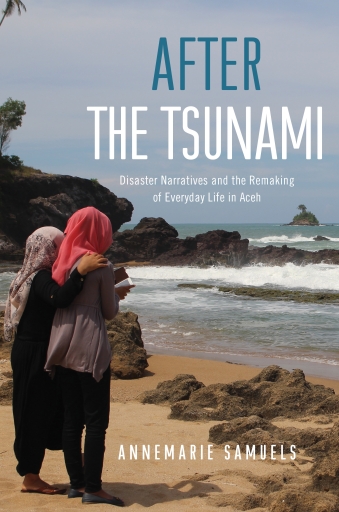
After the Tsunami
Herausgegeben von University of Hawaii Press
English
2019
ISBN 9780824880224
eBook
Buy at Catademic
🇺🇸
Catademic
🇺🇸
Shop besuchen →
UN
University of Hawaiʻi Press
🇺🇸
Shop besuchen →
ebookstaolistic
🇺🇸
Shop besuchen →
Bajalibros Latam
🇺🇸
Shop besuchen →
Association of University Presses - Tienda FILUNI
🇺🇸
Shop besuchen →

Ebooks Librería Antártica
🇨🇱
Shop besuchen →
Ebooks Agustin
🇪🇸
Shop besuchen →
Bajalibros Argentina
🇦🇷
Shop besuchen →

Sanborns Ebooks
🇲🇽
Shop besuchen →
ebooks Libreria del GAM
🇺🇾
Shop besuchen →
Bookshop Uruguay
🇺🇾
Shop besuchen →
ebookskitapenas
🇬🇹
Shop besuchen →
Ebooks Yenny - El Ateneo
🇦🇷
Shop besuchen →
Crisol Ebooks
🇨🇴
Shop besuchen →
Verfügbar in 14 Buchhandlungen
Catademic
🇺🇸
Shop besuchen →
UN
University of Hawaiʻi Press
🇺🇸
Shop besuchen →
ebookstaolistic
🇺🇸
Shop besuchen →
Association of University Presses - Tienda FILUNI
🇺🇸
Shop besuchen →
Ebooks Librería Antártica
🇨🇱
Shop besuchen →
Ebooks Agustin
🇪🇸
Shop besuchen →
Sanborns Ebooks
🇲🇽
Shop besuchen →
ebooks Libreria del GAM
🇺🇾
Shop besuchen →
ebookskitapenas
🇬🇹
Shop besuchen →
Ebooks Yenny - El Ateneo
🇦🇷
Shop besuchen →
Crisol Ebooks
🇨🇴
Shop besuchen →
Über dieses Buch
<p>The 2004 Indian Ocean tsunami caused immense destruction and over 170,000 deaths in the Indonesian province of Aceh. The disaster spurred large-scale social and political changes in Aceh, including the intensified implementation of <i>shari‘a</i> law and an end to the long separatist conflict. <i>After the Tsunami </i>explores Acehnese survivors’ experiences of the deadly waves and the subsequent reconstruction process through the stories they tell about the disaster. Narratives, author Annemarie Samuels argues, are both a window onto the process of remaking everyday life and an essential component of it. <br><br>Building on long-term ethnographic fieldwork, Samuels shows how the everyday work of recovery is indispensable for any large-scale reconstruction effort to succeed. Recovery is an ambiguous process in which grief remains as life goes on, where optimism and disappointment, remembering and forgetting, structural poverty and the rhetoric of success are often intertwined in individual and social worlds. Such paradoxes are key and form a thread through the five chapters of the book. Addressing post-disaster reconstruction from the survivors’ perspectives opens up space for criticism of post-disaster governance without reducing the discussion of recovery to top-down interventions. Individual histories, emotions, creativity, and ways of being in the world, the author argues, inform the remaking of worlds as much as social, political, and cultural transformations do. <br><br><i>After the Tsunami</i> is a provocative and highly significant contribution to studies of humanitarian aid and disaster, psychological anthropology, narrative studies, and scholarly studies of Indonesia and Southeast Asia. Its elegant style, pointed theorizing, and moving ethnographic descriptions will draw readers into Acehnese lifeworlds and politics. Its narratives attest to Acehnese ways of living with loss, within and across a history of colonial and postcolonial violence and suffering and a present of political uncertainty and hope.</p>
- Sprache
- English
Teilen
Das könnte dir auch gefallen
Identidad chilena
Jorge Larraín
O conflito da cultura moderna e outros escritos
Bueno, Arthur
Intersecciones
Parra Valencia, Liliana
Tabuthema Fehlgeburt
Funk, Miriam
Cómo sentirse amado
Lyubomirsky, Sonja, Reis, Harry
Einfach machen: Gestalterische Methoden in Therapie und Coaching
Heymann, Petra, Kannicht, Lena Luise, Mojzis, Lydia