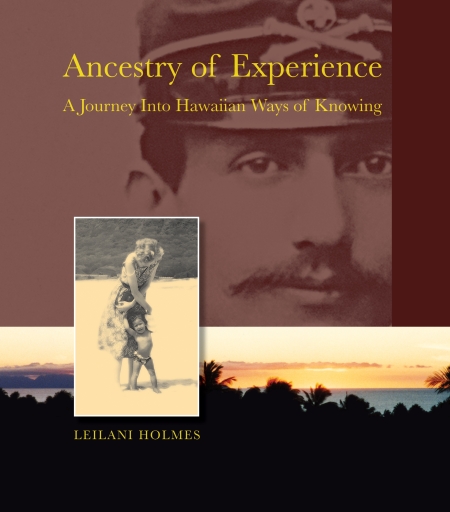
Ancestry of Experience
Von Holmes, Leilani
Herausgegeben von University of Hawaii Press
English
250 Seiten
2012
ISBN 9780824837723
PDF
Buy at Catademic
🇺🇸
Catademic
🇺🇸
Shop besuchen →
Bajalibros Latam
🇺🇸
Shop besuchen →
Association of University Presses - Tienda FILUNI
🇺🇸
Shop besuchen →

Ebooks Librería Antártica
🇨🇱
Shop besuchen →
Ebooks Agustin
🇪🇸
Shop besuchen →
Bajalibros Argentina
🇦🇷
Shop besuchen →

Sanborns Ebooks
🇲🇽
Shop besuchen →
ebooks Libreria del GAM
🇺🇾
Shop besuchen →
Bookshop Uruguay
🇺🇾
Shop besuchen →

ebookskitapenas
🇬🇹
Shop besuchen →
Ebooks Yenny - El Ateneo
🇦🇷
Shop besuchen →
Crisol Ebooks
🇨🇴
Shop besuchen →
Verfügbar in 12 Buchhandlungen
Catademic
🇺🇸
Shop besuchen →
Association of University Presses - Tienda FILUNI
🇺🇸
Shop besuchen →
Ebooks Librería Antártica
🇨🇱
Shop besuchen →
Ebooks Agustin
🇪🇸
Shop besuchen →
Sanborns Ebooks
🇲🇽
Shop besuchen →
ebooks Libreria del GAM
🇺🇾
Shop besuchen →
ebookskitapenas
🇬🇹
Shop besuchen →
Ebooks Yenny - El Ateneo
🇦🇷
Shop besuchen →
Crisol Ebooks
🇨🇴
Shop besuchen →
Über dieses Buch
<p>As Hawaiians continue to recover their language and culture, the voices of <i>kupuna </i>(elders) are heard once again in urban and rural settings, both in Hawai‘i and elsewhere. How do <i>kupuna </i>create knowledge and “tell” history? What do they tell us about being Hawaiian? Adopted by a Midwestern couple in the 1950s as an infant, Leilani Holmes spent much of her early life in settings that offered no clues about her Hawaiian past—images of which continued to haunt her even as she completed a master’s thesis on Hawaiian music and identity in southern California. <i>Ancestry of Experience</i> documents Holmes’ quest to reclaim and understand her own origin story. <br><br>Holmes writes in two different and at times incongruent voices—one describing the search for her genealogy, the other critiquing Western epistemologies she encounters along the way. In the course of her journey, she finds that Hawaiian oral tradition links identity to the land <i>(‘aina)</i> through ancestry, while traditional, scholarly theories of knowing (particularly political economy and the discourse of the invention of tradition) textually obliterate land and ancestry. In interviews with <i>kupuna, </i>Holmes learns of the connectedness of spirituality and<i> ‘aina;</i> through her study and practice of <i>hula kahiko </i>comes an understanding of ancient hula as a conversation between<i> ‘aina</i> and the dancer’s body that has the power to activate historical memory. <br><br>Holmes’ experience has special relevance for indigenous adoptees and indigenous scholars: Both are distanced from the knowledge agendas and strategies of their communities and are tasked to speak in languages ill-suited to the telling of their own stories and those of their ancestors. In addition to those with an interest in Hawaiian knowledge and culture, <i>Ancestry of Experience</i> will appeal to readers of memoirs of identity, academic and personal accounts of racial identity formation, and works of indigenous epistemologies. A website (www.ancestryofexperience.com) will include supplementary material.</p>
Kategorien
- Sprache
- English
Teilen