
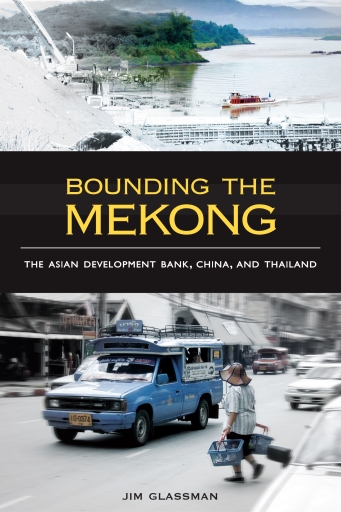
Bounding the Mekong
Von Glassman, Jim
Herausgegeben von University of Hawaii Press
Verfügbar in 13 Buchhandlungen
 Association of University Presses - Tienda FILUNI
🇺🇸
Shop besuchen →
Association of University Presses - Tienda FILUNI
🇺🇸
Shop besuchen →
 Bajalibros Argentina
🇦🇷
Shop besuchen →
Bajalibros Argentina
🇦🇷
Shop besuchen →

 Bookshop Uruguay
🇺🇾
Shop besuchen →
Bookshop Uruguay
🇺🇾
Shop besuchen →
 Catademic
🇺🇸
Shop besuchen →
Catademic
🇺🇸
Shop besuchen →








Über dieses Buch
Verfügbarkeit
Bounding the Mekong ist als PDF in 13 Online-Buchhandlungen erhältlich. Zu den Buchhandlungen, die es führen, gehören Association of University Presses - Tienda FILUNI, Bajalibros Argentina, Bajalibros Latam.
- Sprache
- English
Häufige Fragen
- In welchen Formaten ist Bounding the Mekong erhältlich?
- Bounding the Mekong ist als PDF in 13 Online-Buchhandlungen erhältlich.
- Wo kann ich Bounding the Mekong kaufen?
- Du kannst Bounding the Mekong bei Association of University Presses - Tienda FILUNI, Bajalibros Argentina, Bajalibros Latam kaufen. Vergleiche alle Optionen in der Liste auf dieser Seite.
- Wie lange dauert es, Bounding the Mekong zu lesen?
- Bei durchschnittlichem Lesetempo dauert Bounding the Mekong etwa 4 Std. 17 Min. (234 Seiten).
Bewertungen und Rezensionen
Noch keine Bewertungen. Sei der Erste, der dieses Buch rezensiert.
Anmelden um dieses Buch zu bewerten und zu rezensieren.
Das könnte dir auch gefallen
Microfinanças
Maia, Mara
As Ações Do Agrohidronegócio, O Papel Do Estado E As Formas De Controle Do Trabalho No Mato Grosso Do Sul
De Azevedo, José R. N.

La salud sí tiene precio
Gollan, Daniel, Kreplak, Nicolás, Garcia, Enio
An Essay Towards Regulating the Trade, and Employing the Poor of This Kingdom
Cary, John

The Capital (Vol. 1-3)
Marx, Karl

Esboço para uma crítica da economia política
Engels, Friedrich