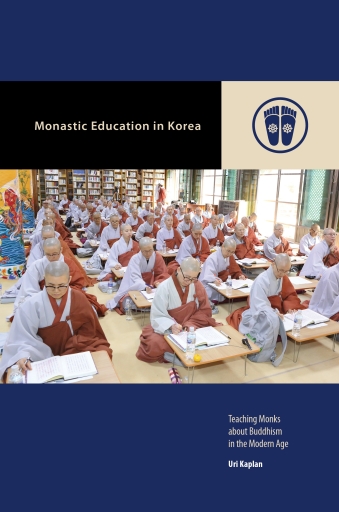
Monastic Education in Korea
Von Kaplan, Uri
Herausgegeben von University of Hawaii Press
English
2020
ISBN 9780824883584
eBook
Buy at Catademic
🇺🇸
Catademic
🇺🇸
Shop besuchen →
UN
University of Hawaiʻi Press
🇺🇸
Shop besuchen →
ebookstaolistic
🇺🇸
Shop besuchen →
Bajalibros Latam
🇺🇸
Shop besuchen →
Association of University Presses - Tienda FILUNI
🇺🇸
Shop besuchen →

Ebooks Librería Antártica
🇨🇱
Shop besuchen →
Ebooks Agustin
🇪🇸
Shop besuchen →
Bajalibros Argentina
🇦🇷
Shop besuchen →

Sanborns Ebooks
🇲🇽
Shop besuchen →
ebooks Libreria del GAM
🇺🇾
Shop besuchen →
Bookshop Uruguay
🇺🇾
Shop besuchen →
ebookskitapenas
🇬🇹
Shop besuchen →
Ebooks Yenny - El Ateneo
🇦🇷
Shop besuchen →
Crisol Ebooks
🇨🇴
Shop besuchen →
Verfügbar in 14 Buchhandlungen
Catademic
🇺🇸
Shop besuchen →
UN
University of Hawaiʻi Press
🇺🇸
Shop besuchen →
ebookstaolistic
🇺🇸
Shop besuchen →
Association of University Presses - Tienda FILUNI
🇺🇸
Shop besuchen →
Ebooks Librería Antártica
🇨🇱
Shop besuchen →
Ebooks Agustin
🇪🇸
Shop besuchen →
Sanborns Ebooks
🇲🇽
Shop besuchen →
ebooks Libreria del GAM
🇺🇾
Shop besuchen →
ebookskitapenas
🇬🇹
Shop besuchen →
Ebooks Yenny - El Ateneo
🇦🇷
Shop besuchen →
Crisol Ebooks
🇨🇴
Shop besuchen →
Über dieses Buch
<p>What do Buddhist monks learn about Buddhism? Which part of their enormous canonical and non-canonical literature do they choose to focus on as the required curriculum in their training, and what do they elect to leave out? The cultural depository of Buddhism includes some four thousand canonical texts, hundreds of other historical works, modern textbooks, oral traditions, and more recently, an increasingly growing body of online material. The sheer diversity of this mass of information makes the pedagogical choices of monastics worthy of close study.<br><br><i>Monastic Education in Korea</i> is essentially a biography of the Korean Buddhist monastic curriculum over the past five centuries. Based on extensive ethnographic work and archival research in Korean monasteries, it illustrates how a particular premodern syllabus was reimagined in the twentieth century to become the sole national Korean monastic pedagogical program—only to be criticized and completely restructured in recent years. Through a detailed analysis of these modifications, the work demonstrates how Korean Buddhist reformers today tend to imitate the educational practices and canonize the textual totems of the contemporary international discipline of Buddhist studies, and how, by doing so, they ultimately transform the local Korean tradition from a particular brand of Chinese-centered scholastic Chan into the inclusive, pluralistic, Indian-focused Buddhism common in English-language introductions to the religion.<br><br>The book further examines the proliferation of diverse graduate schools for the <i>sangha,</i> as well as the creation of a novel examination system for all monastics. It reveals some of the realities of operating large monastic organizations in contemporary Asia and portrays a living, vibrant Buddhist community that is constantly negotiating with modern values and reformulating its core orthodoxies.</p>
Kategorien
- Sprache
- English
Teilen