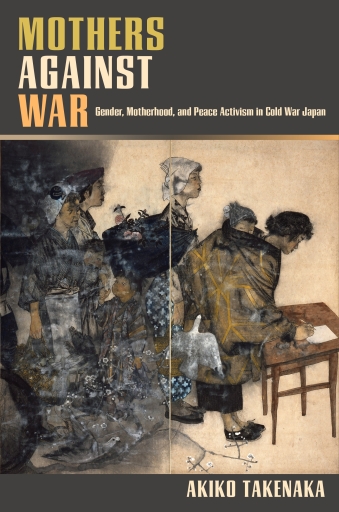
Mothers Against War
Von Takenaka, Akiko
Herausgegeben von University of Hawaii Press
Verfügbar in 13 Buchhandlungen
 Association of University Presses - Tienda FILUNI
🇺🇸
Shop besuchen →
Association of University Presses - Tienda FILUNI
🇺🇸
Shop besuchen →
 Bajalibros Argentina
🇦🇷
Shop besuchen →
Bajalibros Argentina
🇦🇷
Shop besuchen →
 Bajalibros Latam
🇺🇸
Shop besuchen →
Bajalibros Latam
🇺🇸
Shop besuchen →
 Bookshop Uruguay
🇺🇾
Shop besuchen →
Bookshop Uruguay
🇺🇾
Shop besuchen →
 Catademic
🇺🇸
Shop besuchen →
Catademic
🇺🇸
Shop besuchen →








Über dieses Buch
Verfügbarkeit
Mothers Against War ist als eBook in 13 Online-Buchhandlungen erhältlich. Zu den Buchhandlungen, die es führen, gehören Association of University Presses - Tienda FILUNI, Bajalibros Argentina, Bajalibros Latam.
Kategorien
- Sprache
- English
Häufige Fragen
- In welchen Formaten ist Mothers Against War erhältlich?
- Mothers Against War ist als eBook in 13 Online-Buchhandlungen erhältlich.
- Wo kann ich Mothers Against War kaufen?
- Du kannst Mothers Against War bei Association of University Presses - Tienda FILUNI, Bajalibros Argentina, Bajalibros Latam kaufen. Vergleiche alle Optionen in der Liste auf dieser Seite.
Bewertungen und Rezensionen
Noch keine Bewertungen. Sei der Erste, der dieses Buch rezensiert.
Anmelden um dieses Buch zu bewerten und zu rezensieren.