
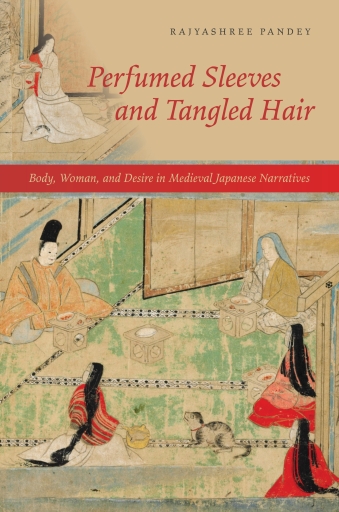
Perfumed Sleeves and Tangled Hair
Herausgegeben von University of Hawaii Press
Verfügbar in 13 Buchhandlungen
 Association of University Presses - Tienda FILUNI
🇺🇸
Shop besuchen →
Association of University Presses - Tienda FILUNI
🇺🇸
Shop besuchen →
 Bajalibros Argentina
🇦🇷
Shop besuchen →
Bajalibros Argentina
🇦🇷
Shop besuchen →
 Bajalibros Latam
🇺🇸
Shop besuchen →
Bajalibros Latam
🇺🇸
Shop besuchen →
 Bookshop Uruguay
🇺🇾
Shop besuchen →
Bookshop Uruguay
🇺🇾
Shop besuchen →
 Catademic
🇺🇸
Shop besuchen →
Catademic
🇺🇸
Shop besuchen →








Über dieses Buch
Verfügbarkeit
Perfumed Sleeves and Tangled Hair ist als eBook in 13 Online-Buchhandlungen erhältlich. Zu den Buchhandlungen, die es führen, gehören Association of University Presses - Tienda FILUNI, Bajalibros Argentina, Bajalibros Latam.
- Sprache
- English
Häufige Fragen
- In welchen Formaten ist Perfumed Sleeves and Tangled Hair erhältlich?
- Perfumed Sleeves and Tangled Hair ist als eBook in 13 Online-Buchhandlungen erhältlich.
- Wo kann ich Perfumed Sleeves and Tangled Hair kaufen?
- Du kannst Perfumed Sleeves and Tangled Hair bei Association of University Presses - Tienda FILUNI, Bajalibros Argentina, Bajalibros Latam kaufen. Vergleiche alle Optionen in der Liste auf dieser Seite.
Bewertungen und Rezensionen
Noch keine Bewertungen. Sei der Erste, der dieses Buch rezensiert.
Anmelden um dieses Buch zu bewerten und zu rezensieren.
Das könnte dir auch gefallen
La civilisation japonaise conférences faites à l'école spéciale des langues orientales
Rosny, Léon de

Diary of a Farmer at the Foot of Mt. Kanpū
Yoshida, Saburō

Heian Japan, Centers and Peripheries

Sacred Texts and Buried Treasures
Farris, William Wayne

Land, Power, and the Sacred
Shinra Myōjin and Buddhist Networks of the East Asian “Mediterranean”
Kim, Sujung