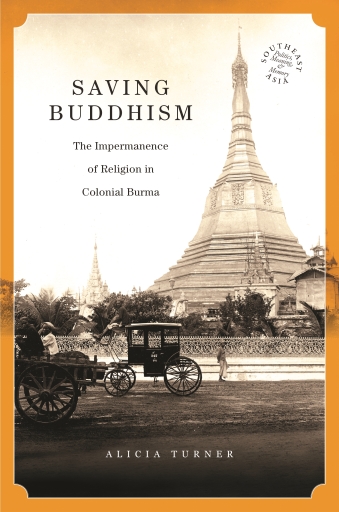
Saving Buddhism
Von Turner, Alicia
Herausgegeben von University of Hawaii Press
English
242 Seiten
2014
ISBN 9780824847913
PDF
Buy at Bajalibros Latam
🇺🇸
Catademic
🇺🇸
Shop besuchen →
UN
University of Hawaiʻi Press
🇺🇸
Shop besuchen →
Bajalibros Latam
🇺🇸
Shop besuchen →
Association of University Presses - Tienda FILUNI
🇺🇸
Shop besuchen →

Ebooks Librería Antártica
🇨🇱
Shop besuchen →
Ebooks Agustin
🇪🇸
Shop besuchen →
Bajalibros Argentina
🇦🇷
Shop besuchen →

Sanborns Ebooks
🇲🇽
Shop besuchen →
ebooks Libreria del GAM
🇺🇾
Shop besuchen →
Bookshop Uruguay
🇺🇾
Shop besuchen →

ebookskitapenas
🇬🇹
Shop besuchen →
Ebooks Yenny - El Ateneo
🇦🇷
Shop besuchen →
Crisol Ebooks
🇨🇴
Shop besuchen →
Verfügbar in 13 Buchhandlungen
Catademic
🇺🇸
Shop besuchen →
UN
University of Hawaiʻi Press
🇺🇸
Shop besuchen →
Association of University Presses - Tienda FILUNI
🇺🇸
Shop besuchen →
Ebooks Librería Antártica
🇨🇱
Shop besuchen →
Ebooks Agustin
🇪🇸
Shop besuchen →
Sanborns Ebooks
🇲🇽
Shop besuchen →
ebooks Libreria del GAM
🇺🇾
Shop besuchen →
ebookskitapenas
🇬🇹
Shop besuchen →
Ebooks Yenny - El Ateneo
🇦🇷
Shop besuchen →
Crisol Ebooks
🇨🇴
Shop besuchen →
Über dieses Buch
<p><i>Saving Buddhism</i> explores the dissonance between the goals of the colonial state and the Buddhist worldview that animated Burmese Buddhism at the turn of the twentieth century. For many Burmese, the salient and ordering discourse was not nation or modernity but <i>sāsana</i>, the life of the Buddha’s teachings. Burmese Buddhists interpreted the political and social changes between 1890 and 1920 as signs that the Buddha’s <i>sāsana</i> was deteriorating. This fear of decline drove waves of activity and organizing to prevent the loss of the Buddha’s teachings. Burmese set out to save Buddhism, but achieved much more: they took advantage of the indeterminacy of the moment to challenge the colonial frameworks that were beginning to shape their world. <br><br>Author Alicia Turner has examined thousands of rarely used sources-- newspapers and Buddhist journals, donation lists, and colonial reports—to trace three discourses set in motion by the colonial encounter: the evolving understanding of <i>sāsana</i> as an orienting framework for change, the adaptive modes of identity made possible in the moral community, and the ongoing definition of religion as a site of conflict and negotiation of autonomy. Beginning from an understanding that defining and redefining the boundaries of religion operated as a key technique of colonial power—shaping subjects through European categories and authorizing projects of colonial governmentality—she explores how Burmese Buddhists became actively engaged in defining and inflecting religion to shape their colonial situation and forward their own local projects.<br><br><i>Saving Buddhism</i> intervenes not just in scholarly conversations about religion and colonialism, but in theoretical work in religious studies on the categories of “religion” and “secular.” It contributes to ongoing studies of colonialism, nation, and identity in Southeast Asian studies by working to denaturalize nationalist histories. It also engages conversations on millennialism and the construction of identity in Buddhist studies by tracing the fluid nature of <i>sāsana</i> as a discourse. The layers of Buddhist history that emerge challenge us to see multiple modes of identity in colonial modernity and offer insights into the instabilities of categories we too often take for granted.</p>
Kategorien
- Sprache
- English
Teilen