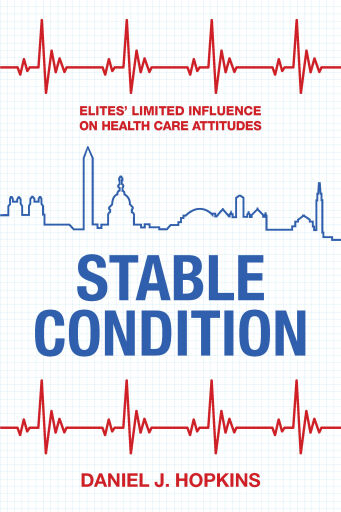
Stable Condition
Herausgegeben von Russell Sage Foundation
English
2023
ISBN 9781610449205
eBook
Buy at Association of University Presses - Tienda FILUNI
🇺🇸
Catademic
🇺🇸
Shop besuchen →
Bajalibros Latam
🇺🇸
Shop besuchen →
Association of University Presses - Tienda FILUNI
🇺🇸
Shop besuchen →

Ebooks Librería Antártica
🇨🇱
Shop besuchen →
Ebooks Agustin
🇪🇸
Shop besuchen →
Bajalibros Argentina
🇦🇷
Shop besuchen →

Sanborns Ebooks
🇲🇽
Shop besuchen →
ebooks Libreria del GAM
🇨🇱
Shop besuchen →
Bookshop Uruguay
🇺🇾
Shop besuchen →
ebookskitapenas
🇬🇹
Shop besuchen →
Ebooks Yenny - El Ateneo
🇦🇷
Shop besuchen →
Crisol Ebooks
🇵🇪
Shop besuchen →
Verfügbar in 12 Buchhandlungen
Catademic
🇺🇸
Shop besuchen →
Association of University Presses - Tienda FILUNI
🇺🇸
Shop besuchen →
Ebooks Librería Antártica
🇨🇱
Shop besuchen →
Ebooks Agustin
🇪🇸
Shop besuchen →
Sanborns Ebooks
🇲🇽
Shop besuchen →
ebooks Libreria del GAM
🇨🇱
Shop besuchen →
ebookskitapenas
🇬🇹
Shop besuchen →
Ebooks Yenny - El Ateneo
🇦🇷
Shop besuchen →
Crisol Ebooks
🇵🇪
Shop besuchen →
Über dieses Buch
The Affordable Care Act (ACA), the sweeping health care reform enacted by the Obama Administration in 2010, continues to be a contentious policy at the center of highly polarized political debates. Both before and after the law’s passage, political elites on both sides of the issue attempted to sway public opinion through two traditional approaches: messaging and policymaking itself. They operated under the assumption that the public’s personal experiences toward the law would make them more favorable. Yet these tried-and-true methods have had limited influence on public attitudes toward the ACA. Public opinion towards the ACA remained stable from 2010 to 2016, with more Americans opposing the law than supporting it. It was only after Donald Trump was elected in 2016 and the prospect of the law being repealed became a reality that public opinion swung in favor of the ACA. If traditional methods of influencing public opinion had little impact on attitudes towards the ACA, what did? In <i>Stable Condition</i>, political scientist Daniel J. Hopkins draws on survey data from 2009 to 2020 to assess how a variety of factors such as personal experience, political messaging, and partisanship did or did not affect public opinion on the ACA.<br> <br> Hopkins finds that although personal experience with the ACA’s Medicaid expansion increased favorability among low-income Americans, it did not have a broader overall impact on public opinion. Personal experience with the Health Insurance Marketplace did not increase wider support for the ACA either. Due to the complex nature of the law, users of the Marketplace often did not realize they were benefiting from the ACA. Therefore, perceptions of the Marketplace were shaped by high-profile issues with the enrollment website and opposition to the individual mandate. These experiences ultimately offset one another, resulting in little discernable change in public opinion overall. Hopkins argues that political polarization was also responsible for elite’s limited influence and that public opinion on the ACA was largely determined by partisanship and political affiliation. Americans quickly aligned with their party’s stance on the law and were resistant to changing their beliefs despite the efforts of political elites. <br> <br> <i>Stable Condition</i> is an illuminating examination of the limits of elites’ influence and the forces that shaped public opinion about the Affordable Care Act.<br>
Kategorien
- Sprache
- English
Teilen
Das könnte dir auch gefallen
Debatiendo sin ira
Ernesto Ottone
Petrogrado, Xangai
Badiou, Alain
Una historia política de Colombia
Tirado Mejía, Álvaro
Los años de la Alianza
Pucciarelli, Alfredo, Castellani, Ana
Diálogo y participación social para una justicia restaurativa
Olarte Delgado, Ángela Marcela, Quevedo, Marcela Gutiérrez
La inclusión laboral de las personas con discapacidad
Peralta Varela, Carlos Armando