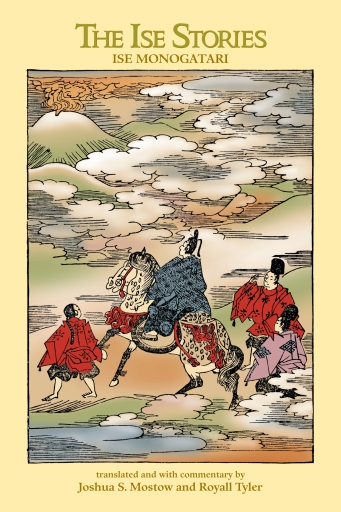
The Ise Stories
Herausgegeben von University of Hawaii Press
English
282 Seiten
2010
ISBN 9780824837662
Geschätzte Lesezeit: 5 Std. 10 Min.
PDF
Buy at Catademic
🇺🇸
 Association of University Presses - Tienda FILUNI
🇺🇸
Shop besuchen →
Association of University Presses - Tienda FILUNI
🇺🇸
Shop besuchen →
 Bajalibros Argentina
🇦🇷
Shop besuchen →
Bajalibros Argentina
🇦🇷
Shop besuchen →
 Bajalibros Latam
🇺🇸
Shop besuchen →
Bajalibros Latam
🇺🇸
Shop besuchen →
 Bookshop Uruguay
🇺🇾
Shop besuchen →
Bookshop Uruguay
🇺🇾
Shop besuchen →
Verfügbar in 13 Buchhandlungen
Association of University Presses - Tienda FILUNI
🇺🇸
Shop besuchen →
Bajalibros Argentina
🇦🇷
Shop besuchen →
Bajalibros Latam
🇺🇸
Shop besuchen →
Bookshop Uruguay
🇺🇾
Shop besuchen →









Über dieses Buch
Ise monogatari is one of classical Japan’s most important texts. It influenced other literary court romances like The Tale of Genji and inspired artists, playwrights, and poets throughout Japanese history and to the present day.
In a series of 125 loosely connected episodes, the Ise tells the story of a famous lover, Captain Ariwara no Narihira (825–880), and his romantic encounters with women throughout Japan. Each episode centers on an exchange of love poems designed to demonstrate wit, sensitivity, and "courtliness."
Joshua Mostow and Royall Tyler present a fresh, contemporary translation of this classic work, together with a substantial commentary for each episode. The commentary explores how the text has been read in the past and identifies not only the point of each episode, but also the full range of historical interpretations, many of which shaped the use of the Ise in later literary and visual arts. The book includes reproductions from a version of the 1608 Saga-bon printed edition of the Ise, the volume that established Ise iconography for the entire Edo period (1600–1868).
Verfügbarkeit
The Ise Stories ist als PDF in 13 Online-Buchhandlungen erhältlich. Zu den Buchhandlungen, die es führen, gehören Association of University Presses - Tienda FILUNI, Bajalibros Argentina, Bajalibros Latam.
- Sprache
- English
Teilen
Häufige Fragen
- In welchen Formaten ist The Ise Stories erhältlich?
- The Ise Stories ist als PDF in 13 Online-Buchhandlungen erhältlich.
- Wo kann ich The Ise Stories kaufen?
- Du kannst The Ise Stories bei Association of University Presses - Tienda FILUNI, Bajalibros Argentina, Bajalibros Latam kaufen. Vergleiche alle Optionen in der Liste auf dieser Seite.
- Wie lange dauert es, The Ise Stories zu lesen?
- Bei durchschnittlichem Lesetempo dauert The Ise Stories etwa 5 Std. 10 Min. (282 Seiten).
Bewertungen und Rezensionen
Noch keine Bewertungen. Sei der Erste, der dieses Buch rezensiert.
Anmelden um dieses Buch zu bewerten und zu rezensieren.