

Alice in Japanese Wonderlands
Por Kennell, Amanda
Publicado por University of Hawaii Press
Disponible en 13 librerías
 Association of University Presses - Tienda FILUNI
🇺🇸
Visitar tienda →
Association of University Presses - Tienda FILUNI
🇺🇸
Visitar tienda →
 Bajalibros Argentina
🇦🇷
Visitar tienda →
Bajalibros Argentina
🇦🇷
Visitar tienda →
 Bajalibros Latam
🇺🇸
Visitar tienda →
Bajalibros Latam
🇺🇸
Visitar tienda →
 Bookshop Uruguay
🇺🇾
Visitar tienda →
Bookshop Uruguay
🇺🇾
Visitar tienda →
 Catademic
🇺🇸
Visitar tienda →
Catademic
🇺🇸
Visitar tienda →








Sobre este libro
Disponibilidad
Alice in Japanese Wonderlands está disponible como eBook en 13 librerías online. Entre las librerías que lo venden están Association of University Presses - Tienda FILUNI, Bajalibros Argentina, Bajalibros Latam.
- Idioma
- English
Preguntas frecuentes
- ¿En qué formatos está disponible Alice in Japanese Wonderlands?
- Alice in Japanese Wonderlands está disponible como eBook en 13 librerías online.
- ¿Dónde puedo comprar Alice in Japanese Wonderlands?
- Puedes comprar Alice in Japanese Wonderlands en Association of University Presses - Tienda FILUNI, Bajalibros Argentina, Bajalibros Latam. Compara todas las opciones en la lista de esta página.
Valoraciones y reseñas
Aún no hay valoraciones. Sé el primero en reseñar este libro.
Acceder para valorar y reseñar este libro.
También te puede interesar

Las voces y el laberinto
Ruiz Garzón, Ricard, Borés, Alfredo
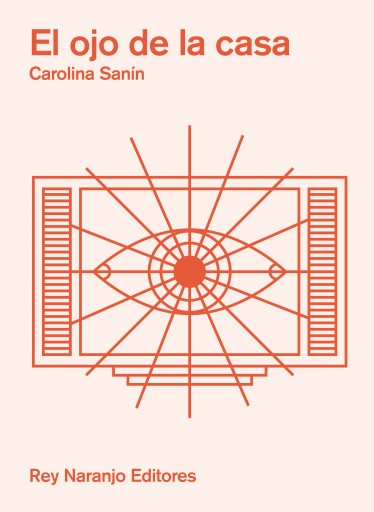
El ojo de la casa
Sanín, Carolina

Armonía Inicial: Fundamentos de la Música Tonal
Andrade, Jonathan, Autores varios

O anacronismo das imagens
Machado, Mariângela Ribeiro

Picture Posters
Hiatt, Charles

Reminiscências Pantaneiras
Oliveira, Maria Elizabete Nascimento de, Souza, Jocineide Catarina Maciel de