
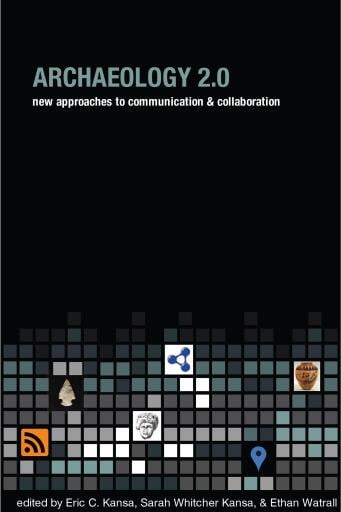
Archaeology 2.0
Publicado por Cotsen Institute of Archaeology Press
Disponible en 16 librerías
 Alpha Books
🇨🇴
Visitar tienda →
Alpha Books
🇨🇴
Visitar tienda →
 Bajalibros Argentina
🇦🇷
Visitar tienda →
Bajalibros Argentina
🇦🇷
Visitar tienda →
 Bajalibros Latam
🇺🇸
Visitar tienda →
Bajalibros Latam
🇺🇸
Visitar tienda →
 Bookshop Uruguay
🇺🇾
Visitar tienda →
Bookshop Uruguay
🇺🇾
Visitar tienda →
 Crisol Ebooks
🇵🇪
Visitar tienda →
Crisol Ebooks
🇵🇪
Visitar tienda →











¿No encuentras tu librería aquí? Abre tu librería
Sobre este libro
Disponibilidad
Archaeology 2.0 está disponible como PDF en 16 librerías online. Entre las librerías que lo venden están Alpha Books, Bajalibros Argentina, Bajalibros Latam.
Categorías
- Idioma
- Inglés
Preguntas frecuentes
- ¿En qué formatos está disponible Archaeology 2.0?
- Archaeology 2.0 está disponible como PDF en 16 librerías online.
- ¿Dónde puedo comprar Archaeology 2.0?
- Puedes comprar Archaeology 2.0 en Alpha Books, Bajalibros Argentina, Bajalibros Latam. Compara todas las opciones en la lista de esta página.
- ¿Cuánto se tarda en leer Archaeology 2.0?
- A un ritmo de lectura medio, Archaeology 2.0 se lee en unas 5 h 25 min (295 páginas).
Valoraciones y reseñas
Aún no hay valoraciones. Sé el primero en reseñar este libro.
Acceder para valorar y reseñar este libro.
También te puede interesar

Manuale per difendersi dalla post-verità
Pilla, Fiorenzo, Giacomello, Marco, Dolce, Rossella, Bonanomi, Gianluigi
Políticas da imagem
Beiguelman, Giselle
El metaverso
Ball, Matthew

Regimi di verità
Fontana, Andrea
El colapso de Babel
Benanti, Paolo

Digital dabei - ohne Angst ins Internet
Waldvogel, Reto