
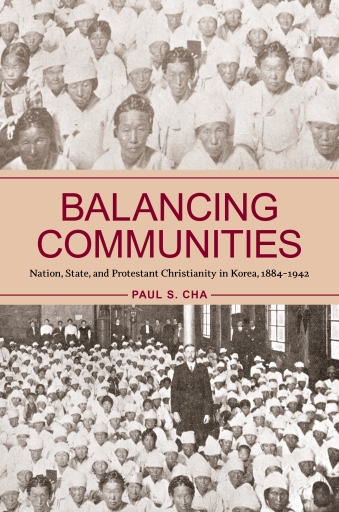
Balancing Communities
Por Cha, Paul S.
Publicado por University of Hawaii Press
Disponible en 17 librerías
 Association of University Presses - Tienda FILUNI
🇺🇸
Visitar tienda →
Association of University Presses - Tienda FILUNI
🇺🇸
Visitar tienda →
 Bajalibros Argentina
🇦🇷
Visitar tienda →
Bajalibros Argentina
🇦🇷
Visitar tienda →
 Bajalibros Latam
🇺🇸
Visitar tienda →
Bajalibros Latam
🇺🇸
Visitar tienda →
 Bookshop Uruguay
🇺🇾
Visitar tienda →
Bookshop Uruguay
🇺🇾
Visitar tienda →
 Catademic
🇺🇸
Visitar tienda →
Catademic
🇺🇸
Visitar tienda →












Sobre este libro
Disponibilidad
Balancing Communities está disponible como PDF en 17 librerías online. Entre las librerías que lo venden están Association of University Presses - Tienda FILUNI, Bajalibros Argentina, Bajalibros Latam.
Categorías
- Idioma
- Inglés
Preguntas frecuentes
- ¿En qué formatos está disponible Balancing Communities?
- Balancing Communities está disponible como PDF en 17 librerías online.
- ¿Dónde puedo comprar Balancing Communities?
- Puedes comprar Balancing Communities en Association of University Presses - Tienda FILUNI, Bajalibros Argentina, Bajalibros Latam. Compara todas las opciones en la lista de esta página.
- ¿Cuánto se tarda en leer Balancing Communities?
- A un ritmo de lectura medio, Balancing Communities se lee en unas 4 h 52 min (265 páginas).
Valoraciones y reseñas
Aún no hay valoraciones. Sé el primero en reseñar este libro.
Acceder para valorar y reseñar este libro.
También te puede interesar

História da Evangelização do Brasil
César, Elben Magalhães Lenz

Hasta el fin del mundo
Westphal, Francisco

History and Ecclesiastical Relations of the Churches of the Presbyterial Order at Amoy, China
Talmage, John Van Nest

Rebranding North Korea
Kim, Immanuel

Da gambero a balena
Pacheco Pardo, Ramon

Korean War
History, Captivating