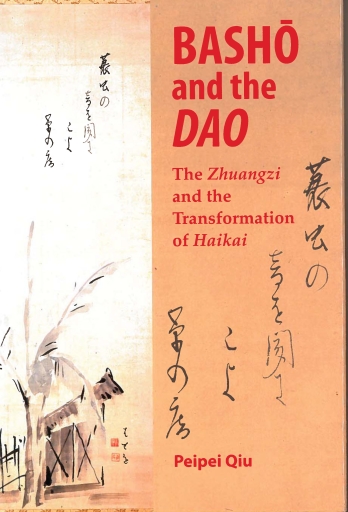
Basho and the Dao
Por Qiu, Peipei
Publicado por University of Hawaii Press
English
265 páginas
2005
ISBN 9780824861575
PDF
Buy at Bajalibros Latam
🇺🇸
Catademic
🇺🇸
Visitar tienda →
UN
University of Hawaiʻi Press
🇺🇸
Visitar tienda →
Bajalibros Latam
🇺🇸
Visitar tienda →
Association of University Presses - Tienda FILUNI
🇺🇸
Visitar tienda →

publica.la marketplace
🇦🇷
Visitar tienda →
Ebooks Librería Antártica
🇨🇱
Visitar tienda →
Ebooks Agustin
🇪🇸
Visitar tienda →
Bajalibros Argentina
🇦🇷
Visitar tienda →

Sanborns Ebooks
🇲🇽
Visitar tienda →
ebooks Libreria del GAM
🇺🇾
Visitar tienda →
Bookshop Uruguay
🇺🇾
Visitar tienda →

ebookskitapenas
🇬🇹
Visitar tienda →
Ebooks Yenny - El Ateneo
🇦🇷
Visitar tienda →
Crisol Ebooks
🇨🇴
Visitar tienda →
Disponible en 14 librerías
Catademic
🇺🇸
Visitar tienda →

UN
University of Hawaiʻi Press
🇺🇸
Visitar tienda →
Association of University Presses - Tienda FILUNI
🇺🇸
Visitar tienda →
publica.la marketplace
🇦🇷
Visitar tienda →
Ebooks Librería Antártica
🇨🇱
Visitar tienda →
Ebooks Agustin
🇪🇸
Visitar tienda →
Sanborns Ebooks
🇲🇽
Visitar tienda →
ebooks Libreria del GAM
🇺🇾
Visitar tienda →
ebookskitapenas
🇬🇹
Visitar tienda →
Ebooks Yenny - El Ateneo
🇦🇷
Visitar tienda →
Crisol Ebooks
🇨🇴
Visitar tienda →
Sobre este libro
<p>Although <i>haiku</i> is well known throughout the world, few outside Japan are familiar with its precursor, <i>haikai</i> (comic linked verse). Fewer still are aware of the role played by the Chinese Daoist classics in turning <i>haikai</i> into a respected literary art form. <i>Bashō and the Dao</i> examines the <i>haikai</i> poets’ adaptation of Daoist classics, particularly the <i>Zhuangzi,</i> in the seventeenth century and the eventual transformation of <i>haikai</i> from frivolous verse to high poetry. The author analyzes <i>haikai</i>’s encounter with the <i>Zhuangzi</i> through its intertextual relations with the works of Bashō and other major <i>haikai</i> poets, and also the nature and characteristics of <i>haikai</i> that sustained the <i>Zhuangzi</i>’s relevance to <i>haikai</i> poetic construction. She demonstrates how the <i>haikai</i> poets’ interest in this Daoist work was rooted in the intersection of deconstructing and reconstructing the classical Japanese poetic tradition. <br><br>Well versed in both Chinese and Japanese scholarship, Qiu explores the significance of Daoist ideas in Bashō’s and others’ conceptions of <i>haikai.</i> Her method involves an extensive hermeneutic reading of <i>haikai</i> texts, an in-depth analysis of the connection between Chinese and Japanese poetic terminology, and a comparison of Daoist traits in both traditions. The result is a penetrating study of key ideas that have been instrumental in defining and rediscovering the poetic essence of <i>haikai</i> verse. <br><br><i>Bashō and the Dao</i> adds to an increasingly vibrant area of academic inquiry—the complex literary and cultural relations between Japan and China in the early modern era. Researchers and students of East Asian literature, philosophy, and cultural criticism will find this book a valuable contribution to cross-cultural literary studies and comparative aesthetics.</p>
Categorías
- Idioma
- English
Compartir