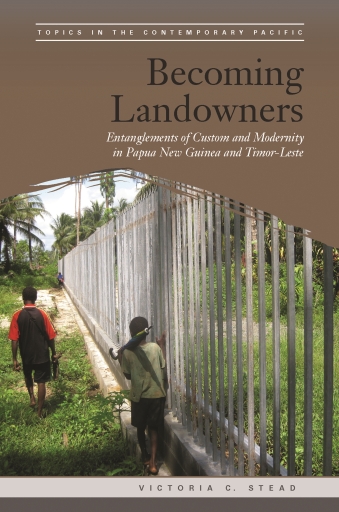
Becoming Landowners
Publicado por University of Hawaii Press
English
241 páginas
2016
ISBN 9780824856694
PDF
Buy at Catademic
🇺🇸
Catademic
🇺🇸
Visitar tienda →
Bajalibros Latam
🇺🇸
Visitar tienda →
Association of University Presses - Tienda FILUNI
🇺🇸
Visitar tienda →

Ebooks Librería Antártica
🇨🇱
Visitar tienda →
Ebooks Agustin
🇪🇸
Visitar tienda →
Bajalibros Argentina
🇦🇷
Visitar tienda →

Sanborns Ebooks
🇲🇽
Visitar tienda →
ebooks Libreria del GAM
🇨🇱
Visitar tienda →
Bookshop Uruguay
🇺🇾
Visitar tienda →

ebookskitapenas
🇬🇹
Visitar tienda →
Ebooks Yenny - El Ateneo
🇦🇷
Visitar tienda →
Crisol Ebooks
🇵🇪
Visitar tienda →
Disponible en 12 librerías
Catademic
🇺🇸
Visitar tienda →
Association of University Presses - Tienda FILUNI
🇺🇸
Visitar tienda →
Ebooks Librería Antártica
🇨🇱
Visitar tienda →
Ebooks Agustin
🇪🇸
Visitar tienda →
Sanborns Ebooks
🇲🇽
Visitar tienda →
ebooks Libreria del GAM
🇨🇱
Visitar tienda →
ebookskitapenas
🇬🇹
Visitar tienda →
Ebooks Yenny - El Ateneo
🇦🇷
Visitar tienda →
Crisol Ebooks
🇵🇪
Visitar tienda →
Sobre este libro
<p>Across Melanesia, the ways in which people connect to land are being transformed by processes of modernization—globalization, the building of states and nations, practices and imaginaries of development, the legacies of colonialism, and the complexities of postcolonial encounters. Melanesian peoples are <i>becoming landowners, </i>Stead argues, both in the sense that these processes of change compel forms of property relations, and in the sense that “landowner” and “custom landowner” become identities to be wielded against the encroachment of both state and capital. In places where customary forms of land tenure have long been dominant, deeply intertwined with senses of self and relationships with others, land now becomes a crucible upon which social relations, power, and culture are reconfigured and reimagined. <br><br>Employing a multi-sited ethnographic approach, <i>Becoming Landowners</i> explores these transformations to land and life as they unfold across two Melanesian countries. The chapters move between coasts and inland mountain ranges, between urban centers and rural villages, telling the stories of people and places who are always situated and particular but who also share powerful commonalities of experience. These include a subsistence-based community shaped by the legacies of colonialism and occupation in remote Timor-Leste, villagers in Papua New Guinea resisting a mining operation and the government agents supporting it, an urban East Timorese settlement resisting eviction by the nation-state its residents hoped would represent them in the post-independence era, and people and groups in both countries who are struggling for, with, and sometimes against the formal codification of their claims to land and place. In each of these instances, customary and modern forms of connection to land are propelled into complex and dynamic configurations, theorized here in an innovative way as entanglements of custom and modernity. <br><br>Moving between multiple sites, scales, and forms of collectivity, <i>Becoming Landowners </i>reveals entanglements as spaces of deep ambivalence. Here, structures of power are destabilized in ways that can lend themselves to the diminishing of local autonomy in the face of the state and capital. At the same time, the destabilization of power also creates new possibilities for the reassertion of that autonomy, and of the customary forms of connection to land in which it is grounded.</p>
- Idioma
- English
Compartir
También te puede interesar
Living on the Shores of Hawaii
Fletcher, Charles H., Boyd, Robynne, Neal, William J., Tice, Virginia
FRICÇÕES DA CIDADE E DO URBANO
Barbosa, Jorge Luiz, Martins, Luisa Pilar Marques, Carvalho, Sergio Lins de, Silva, Eduarda Moreno da, Oliveira, Flávia Alves de
"La ciudad o-culta"
Morales Fernández, Sory Alexander
Londinium, Architecture and the Crafts
Lethaby, W. R.
Medium design
Easterling, Keller
Carrying out the city plan
Shurtleff, Flavel