
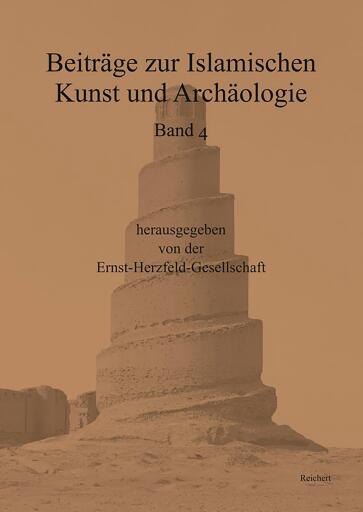
Beiträge zur Islamischen Kunst und Archäologie
Publicado por Dr Ludwig Reichert Verlag
Disponible en 8 librerías
 Bajalibros Argentina
🇦🇷
Visitar tienda →
Bajalibros Argentina
🇦🇷
Visitar tienda →
 Bajalibros Latam
🇺🇸
Visitar tienda →
Bajalibros Latam
🇺🇸
Visitar tienda →
 Bookshop Uruguay
🇺🇾
Visitar tienda →
Bookshop Uruguay
🇺🇾
Visitar tienda →
 Crisol Ebooks
🇵🇪
Visitar tienda →
Crisol Ebooks
🇵🇪
Visitar tienda →
 ebooks Libreria del GAM
🇨🇱
Visitar tienda →
ebooks Libreria del GAM
🇨🇱
Visitar tienda →



Sobre este libro
Disponibilidad
Beiträge zur Islamischen Kunst und Archäologie está disponible como PDF en 8 librerías online. Entre las librerías que lo venden están Bajalibros Argentina, Bajalibros Latam, Bookshop Uruguay.
Categorías
- Idioma
- English
Preguntas frecuentes
- ¿En qué formatos está disponible Beiträge zur Islamischen Kunst und Archäologie?
- Beiträge zur Islamischen Kunst und Archäologie está disponible como PDF en 8 librerías online.
- ¿Dónde puedo comprar Beiträge zur Islamischen Kunst und Archäologie?
- Puedes comprar Beiträge zur Islamischen Kunst und Archäologie en Bajalibros Argentina, Bajalibros Latam, Bookshop Uruguay. Compara todas las opciones en la lista de esta página.
- ¿Cuánto se tarda en leer Beiträge zur Islamischen Kunst und Archäologie?
- A un ritmo de lectura medio, Beiträge zur Islamischen Kunst und Archäologie se lee en unas 6 h 28 min (353 páginas).
Valoraciones y reseñas
Aún no hay valoraciones. Sé el primero en reseñar este libro.
Acceder para valorar y reseñar este libro.
También te puede interesar

GuíaBurros: Islam
Guijarro, Andrés

Mohammedanism
Snouck Hurgronje, C.
Perspectivas coránicas del Islam
Monroy Martínez, Juan Antonio

El Corán (texto completo, con índice activo)
Mahoma,
A Moslem Seeker after God
Zwemer, Samuel Marinus

Von Dinos, Superkräften und Allahs Kopf im Paradies. Oder: Wie erklär' ich's meinem Kind
Göbel, Sandra