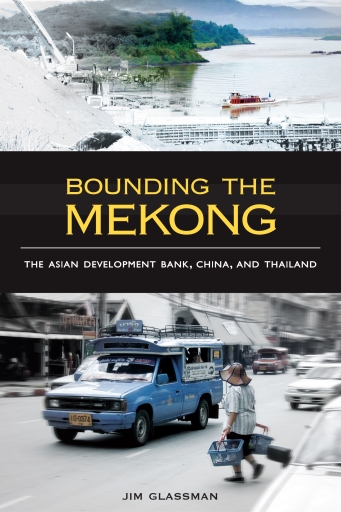
Bounding the Mekong
Por Glassman, Jim
Publicado por University of Hawaii Press
English
234 páginas
2010
ISBN 9780824837501
PDF
Buy at University of Hawaiʻi Press
🇺🇸
Catademic
🇺🇸
Visitar tienda →
UN
University of Hawaiʻi Press
🇺🇸
Visitar tienda →
Bajalibros Latam
🇺🇸
Visitar tienda →
Association of University Presses - Tienda FILUNI
🇺🇸
Visitar tienda →

publica.la marketplace
🇦🇷
Visitar tienda →
Ebooks Librería Antártica
🇨🇱
Visitar tienda →
Ebooks Agustin
🇪🇸
Visitar tienda →
Bajalibros Argentina
🇦🇷
Visitar tienda →

Sanborns Ebooks
🇲🇽
Visitar tienda →
ebooks Libreria del GAM
🇺🇾
Visitar tienda →
Bookshop Uruguay
🇺🇾
Visitar tienda →

ebookskitapenas
🇬🇹
Visitar tienda →
Ebooks Yenny - El Ateneo
🇦🇷
Visitar tienda →
Crisol Ebooks
🇨🇴
Visitar tienda →
Disponible en 14 librerías
Catademic
🇺🇸
Visitar tienda →
UN
University of Hawaiʻi Press
🇺🇸
Visitar tienda →
Association of University Presses - Tienda FILUNI
🇺🇸
Visitar tienda →
publica.la marketplace
🇦🇷
Visitar tienda →
Ebooks Librería Antártica
🇨🇱
Visitar tienda →
Ebooks Agustin
🇪🇸
Visitar tienda →
Sanborns Ebooks
🇲🇽
Visitar tienda →
ebooks Libreria del GAM
🇺🇾
Visitar tienda →
ebookskitapenas
🇬🇹
Visitar tienda →
Ebooks Yenny - El Ateneo
🇦🇷
Visitar tienda →
Crisol Ebooks
🇨🇴
Visitar tienda →
Sobre este libro
<p>Transnational economic integration has been described by globalization boosters as a rising tide that will lift all boats, an opportunity for all participants to achieve greater prosperity through a combination of political cooperation and capitalist economic competition. The Asian Development Bank (ADB) has championed such rhetoric in promoting the integration of China, Southeast Asia’s formerly socialist states, and Thailand into a regional project called the Greater Mekong Subregion (GMS). But while the GMS project is in fact hastening regional economic integration, Jim Glassman shows that the approach belies the ADB’s idealized description of "win-win" outcomes. The process of "actually existing globalization" in the GMS does provide varied opportunities for different actors, but it is less a rising tide that lifts all boats than an uneven flood of transnational capitalist development whose outcomes are determined by intense class struggles, market competition, and regulatory battles. <br><br>Glassman makes the case for adopting a class-based approach to analysis of GMS development, regionalization, and actually existing globalization. First he analyzes the interests and actions of various Thai participants in GMS development, then the roles of different Chinese actors in GMS integration. He next provides two cases illustrating the serious limits of any notion that GMS integration is a relatively egalitarian process—Laos’ participation in GMS development and the role of migrant Burmese workers in the production of the GMS. He finds that Burmese migrant workers, dam-displaced Chinese and Laotian villagers, and economically-stressed Thai farmers and small businesses are relative "losers" compared to the powerful business interests that shape GMS integration from locations like Bangkok and Kunming, as well as key sites outside the GMS like Beijing, Singapore, and Tokyo. The final chapter blends geographical-historical analysis with an assessment of uneven development and actually existing globalization in the GMS.<br><br>Cogent and persuasive, <i>Bounding the Mekong</i> will attract attention from the growing number of scholars analyzing globalization, neoliberalism, regionalization, and multiple scales of governance. It is suitable for graduate courses in geography, political science, and sociology as well as courses with a regional focus.</p>
- Idioma
- English
Compartir
También te puede interesar
América Latina en los albores del siglo XXI
Valdés Ugalde, Francisco, Puyana Mutis, Alicia, Valenti, Giovanna, Rojas, Mariano, Flores-Ivich, Georgina, Salazar, Rodrigo, Lustig, Nora, Razo, Carlos, Schatan, Claudia, Ibarrarán Viniegra, María Eugenia, López Vallejo, Marcela
Lombard Street: A Description of the Money Market
Bagehot, Walter
O capital - Livro 3 - Vol. 4, 5 e 6
Marx, Karl
Economia brasileira contemporânea
Santos, Cássia R. G.
Como Comprar Seu Primeiro Bitcoin Com Segurança
García, Antonio
Entenda As Regras Do Jogo Econômico
Mendes, Thays