
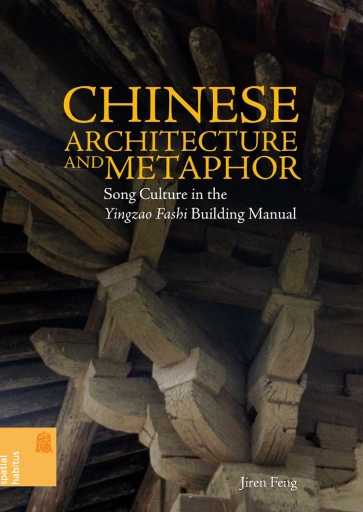
Chinese Architecture and Metaphor
Por Feng, Jiren
Publicado por University of Hawaii Press
Disponible en 13 librerías
 Association of University Presses - Tienda FILUNI
🇺🇸
Visitar tienda →
Association of University Presses - Tienda FILUNI
🇺🇸
Visitar tienda →
 Bajalibros Argentina
🇦🇷
Visitar tienda →
Bajalibros Argentina
🇦🇷
Visitar tienda →
 Bajalibros Latam
🇺🇸
Visitar tienda →
Bajalibros Latam
🇺🇸
Visitar tienda →
 Bookshop Uruguay
🇺🇾
Visitar tienda →
Bookshop Uruguay
🇺🇾
Visitar tienda →









Sobre este libro
Disponibilidad
Chinese Architecture and Metaphor está disponible como PDF en 13 librerías online. Entre las librerías que lo venden están Association of University Presses - Tienda FILUNI, Bajalibros Argentina, Bajalibros Latam.
Categorías
- Idioma
- English
Preguntas frecuentes
- ¿En qué formatos está disponible Chinese Architecture and Metaphor?
- Chinese Architecture and Metaphor está disponible como PDF en 13 librerías online.
- ¿Dónde puedo comprar Chinese Architecture and Metaphor?
- Puedes comprar Chinese Architecture and Metaphor en Association of University Presses - Tienda FILUNI, Bajalibros Argentina, Bajalibros Latam. Compara todas las opciones en la lista de esta página.
- ¿Cuánto se tarda en leer Chinese Architecture and Metaphor?
- A un ritmo de lectura medio, Chinese Architecture and Metaphor se lee en unas 5 h 54 min (322 páginas).
Valoraciones y reseñas
Aún no hay valoraciones. Sé el primero en reseñar este libro.
Acceder para valorar y reseñar este libro.
También te puede interesar

The Seven Periods of English Architecture Defined and Illustrated
Sharpe, Edmund

Breve Historia de los Gladiadores NUEVA EDICIÓN
Mannix, Daniel

History of the Cathedral Church of Wells
Freeman, Edward A.

Castles and Chateaux of Old Burgundy
Mansfield, M. F.

The Abbeys of Great Britain
Dixon, H. Claiborne

Chantilly in History and Art
Richter, Luise