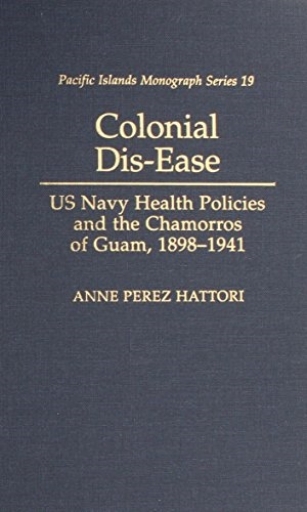
Colonial Dis-Ease
Publicado por University of Hawaii Press
Inglés
264 páginas
2004
ISBN 9780824851194
Tiempo de lectura estimado: 4 h 50 min
PDF
Comprar en Gonvill Ebooks
🇲🇽
 Association of University Presses - Tienda FILUNI
🇺🇸
Visitar tienda →
Association of University Presses - Tienda FILUNI
🇺🇸
Visitar tienda →
 Bajalibros Argentina
🇦🇷
Visitar tienda →
Bajalibros Argentina
🇦🇷
Visitar tienda →
 Bajalibros Latam
🇺🇸
Visitar tienda →
Bajalibros Latam
🇺🇸
Visitar tienda →
 Bookshop Uruguay
🇺🇾
Visitar tienda →
Bookshop Uruguay
🇺🇾
Visitar tienda →
 Catademic
🇺🇸
Visitar tienda →
Catademic
🇺🇸
Visitar tienda →
Disponible en 16 librerías
Association of University Presses - Tienda FILUNI
🇺🇸
Visitar tienda →
Bajalibros Argentina
🇦🇷
Visitar tienda →
Bajalibros Latam
🇺🇸
Visitar tienda →
Bookshop Uruguay
🇺🇾
Visitar tienda →
Catademic
🇺🇸
Visitar tienda →











Sobre este libro
A variety of cross-cultural collisions and collusions—sometimes amusing, sometimes tragic, but always complex—resulted from the U.S. Navy’s introduction of Western health and sanitation practices to Guam’s native population. In Colonial Dis-Ease, Anne Perez Hattori examines early twentieth-century U.S. military colonialism through the lens of Western medicine and its cultural impact on the Chamorro people. In four case studies, Hattori considers the histories of Chamorro leprosy patients exiled to Culion Leper Colony in the Philippines, hookworm programs for children, the regulation of native midwives and nurses, and the creation and operation of the Susana Hospital for women and children.
Changes to Guam’s traditional systems of health and hygiene placed demands not only on Chamorro bodies, but also on their cultural values, social relationships, political controls, and economic expectations. Hattori effectively demonstrates that the new health projects signified more than a benevolent interest in hygiene and the philanthropic sharing of medical knowledge. Rather the navy’s health care regime in Guam was an important vehicle through which U.S. colonial power and moral authority over Chamorros was introduced and entrenched. Medical experts, navy doctors, and health care workers asserted their scientific knowledge as well as their administrative might and in the process became active participants in the colonization of Guam.
Disponibilidad
Colonial Dis-Ease está disponible como PDF en 16 librerías online. Entre las librerías que lo venden están Association of University Presses - Tienda FILUNI, Bajalibros Argentina, Bajalibros Latam.
Categorías
- Idioma
- Inglés
Compartir
Preguntas frecuentes
- ¿En qué formatos está disponible Colonial Dis-Ease?
- Colonial Dis-Ease está disponible como PDF en 16 librerías online.
- ¿Dónde puedo comprar Colonial Dis-Ease?
- Puedes comprar Colonial Dis-Ease en Association of University Presses - Tienda FILUNI, Bajalibros Argentina, Bajalibros Latam. Compara todas las opciones en la lista de esta página.
- ¿Cuánto se tarda en leer Colonial Dis-Ease?
- A un ritmo de lectura medio, Colonial Dis-Ease se lee en unas 4 h 50 min (264 páginas).
Valoraciones y reseñas
Aún no hay valoraciones. Sé el primero en reseñar este libro.
Acceder para valorar y reseñar este libro.