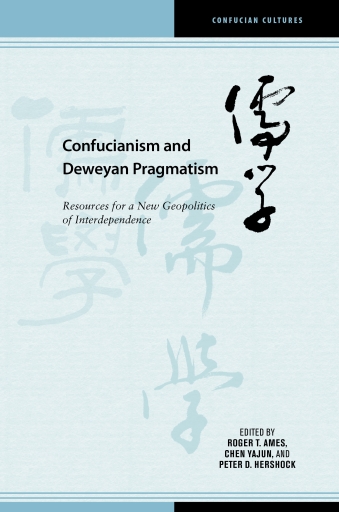
Confucianism and Deweyan Pragmatism
Publicado por University of Hawaii Press
English
2021
ISBN 9780824888589
eBook
Buy at Association of University Presses - Tienda FILUNI
🇺🇸
Catademic
🇺🇸
Visitar tienda →
Bajalibros Latam
🇺🇸
Visitar tienda →
Association of University Presses - Tienda FILUNI
🇺🇸
Visitar tienda →

Ebooks Librería Antártica
🇨🇱
Visitar tienda →
Ebooks Agustin
🇪🇸
Visitar tienda →
Bajalibros Argentina
🇦🇷
Visitar tienda →

Sanborns Ebooks
🇲🇽
Visitar tienda →
ebooks Libreria del GAM
🇨🇱
Visitar tienda →
Bookshop Uruguay
🇺🇾
Visitar tienda →

ebookskitapenas
🇬🇹
Visitar tienda →
Ebooks Yenny - El Ateneo
🇦🇷
Visitar tienda →
Crisol Ebooks
🇵🇪
Visitar tienda →
Disponible en 12 librerías
Catademic
🇺🇸
Visitar tienda →
Association of University Presses - Tienda FILUNI
🇺🇸
Visitar tienda →
Ebooks Librería Antártica
🇨🇱
Visitar tienda →
Ebooks Agustin
🇪🇸
Visitar tienda →
Sanborns Ebooks
🇲🇽
Visitar tienda →
ebooks Libreria del GAM
🇨🇱
Visitar tienda →
ebookskitapenas
🇬🇹
Visitar tienda →
Ebooks Yenny - El Ateneo
🇦🇷
Visitar tienda →
Crisol Ebooks
🇵🇪
Visitar tienda →
Sobre este libro
<p>Over the past generation, the rise of East Asia and especially China has brought about a sea change in the economic and political world order. At the same time, global warming, environmental degradation, food and water shortages, population explosion, and income inequities have created a perfect storm that threatens the very survival of humanity. It is clear now that the Westphalian model of individual sovereign states seeking their own self-interest will not be able to respond effectively to this win-win or lose-lose crisis. In this volume, a cadre of distinguished scholars comes together to reflect on Confucianism and Deweyan pragmatism as possible resources for a new geopolitics that begins from an ontology of interdependence and recognizes the irreducibly ecological nature of the human experience at every level.<br><br>Both Confucian and Deweyan traditions emphasize the primacy of experience, the importance of vital relationality, and the moral roots of good governance. The potential benefits of conceptually blending the two are many. Indeed, the contemporary Chinese philosopher Tang Junyi provides us with a cosmological understanding of the “idea” of Confucianism that, in parallel to Dewey’s “idea” of democracy, can enable us to anticipate the core values, if not the specific contours, of a “Confucian democracy.” Just as Dewey’s “idea” of democracy is his vision of the flourishing communal life made possible by the contributions of the uniquely distinguished persons that constitute it, Tang Junyi’s Confucianism is a pragmatic naturalism directed at achieving the most highly integrated cultural, moral, and spiritual growth for the individual-in-community. In both, we find an affirmation of communal harmony as a process “starting here and going there” through which those involved learn together to do ordinary things in extraordinary ways. Just such a cosmological understanding of democracy is one way of describing what will be needed to address the many predicaments characterizing the environmental, cultural, socioeconomic, and political dynamics of the twenty-first century.</p>
Categorías
- Idioma
- English
Compartir
También te puede interesar
Ética, direito e democracia
de Oliveira, Manfredo Araújo
Justicia, redistribución, reconocimiento y participación política:
Grueso, Delfín Ignacio
Ciudadanos y no súbditos
Reyes, Mate
La lección de Althusser
Rancière, Jacques
Contra la caridad
Reventós, Daniel, Wark, Julia
A Legacy to the Friends of Free Discussion
Offen, Benjamin