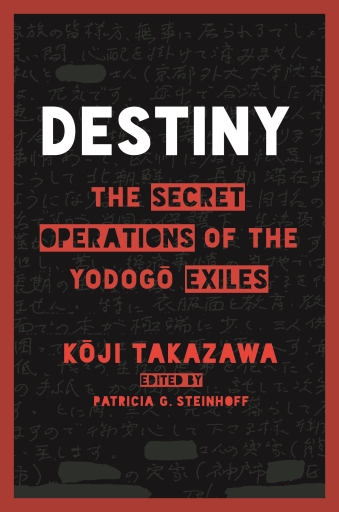
Destiny
Por Takazawa, Kōji
Publicado por University of Hawaii Press
English
473 páginas
2017
ISBN 9780824874179
PDF
Buy at Association of University Presses - Tienda FILUNI
🇺🇸
Catademic
🇺🇸
Visitar tienda →
UN
University of Hawaiʻi Press
🇺🇸
Visitar tienda →
Bajalibros Latam
🇺🇸
Visitar tienda →
Association of University Presses - Tienda FILUNI
🇺🇸
Visitar tienda →

Ebooks Librería Antártica
🇨🇱
Visitar tienda →
Ebooks Agustin
🇪🇸
Visitar tienda →
Bajalibros Argentina
🇦🇷
Visitar tienda →

Sanborns Ebooks
🇲🇽
Visitar tienda →
ebooks Libreria del GAM
🇺🇾
Visitar tienda →
Bookshop Uruguay
🇺🇾
Visitar tienda →

ebookskitapenas
🇬🇹
Visitar tienda →
Ebooks Yenny - El Ateneo
🇦🇷
Visitar tienda →
Crisol Ebooks
🇨🇴
Visitar tienda →
Disponible en 13 librerías
Catademic
🇺🇸
Visitar tienda →

UN
University of Hawaiʻi Press
🇺🇸
Visitar tienda →
Association of University Presses - Tienda FILUNI
🇺🇸
Visitar tienda →
Ebooks Librería Antártica
🇨🇱
Visitar tienda →
Ebooks Agustin
🇪🇸
Visitar tienda →
Sanborns Ebooks
🇲🇽
Visitar tienda →
ebooks Libreria del GAM
🇺🇾
Visitar tienda →
ebookskitapenas
🇬🇹
Visitar tienda →
Ebooks Yenny - El Ateneo
🇦🇷
Visitar tienda →
Crisol Ebooks
🇨🇴
Visitar tienda →
Sobre este libro
<p>In 1970, nine members of a Japanese New Left group called the Red Army Faction hijacked a domestic airliner to North Korea with dreams of acquiring the military training to bring about a revolution in Japan. The North Korean government accepted the hijackers—who became known in the media as the Yodogō group, based on the name of the hijacked plane—and two years later they announced their conversion to <i>juche</i>, North Korea’s new political ideology. Little was heard from the exiles until 1988, when a member of Yodogō was unexpectedly arrested in Japan, and communications with the group opened up in the context of his trial.<br><br>As a former Red Army Faction member, journalist Kōji Takazawa made several trips to North Korea, reestablished his ties to the group’s leader Takamaro Tamiya, and helped to publish the group’s writings in Japan. After Kim Il Sung revealed that Yodogō members had Japanese wives, Takazawa published a book of interviews with the women, but in the process became suspicious about the romantic stories they told. He also wondered about the members who were missing and learned more details in long, private conversations with Tamiya. After Tamiya’s sudden death in 1995, Takazawa launched his own investigation of what the group had actually been doing for two decades, even traveling to Europe to follow traces there. <br><br>An example of superb investigative journalism, <i>Destiny: The Secret Operations of the Yodogō Exiles</i> offers Kōji Takazawa’s powerful story of how he exposed the Yodogō group’s involvement in the kidnapping and luring of several young Japanese to North Korea, as well as the truth behind their Japanese wives’ presence in the country. Takazawa’s careful research was validated in 2002, when the North Korean government publicly acknowledged it had kidnapped thirteen Japanese citizens during the 1970s and 1980s, including three people whom Takazawa had connected to the Yodogō hijackers. Embedded in his pursuit toward what truly happened to the Yodogō members is Takazawa’s personal reflection of the 1970s, a decade when radical student activism swept Japan, and what it meant to those whose lives were forever changed.</p>
- Idioma
- English
Compartir