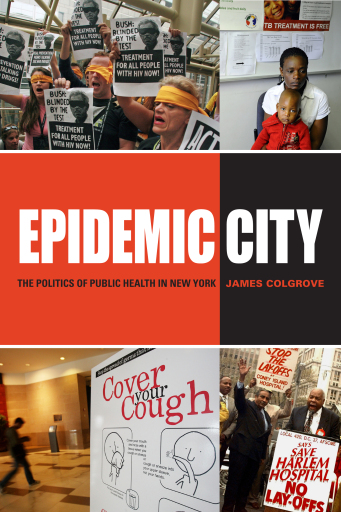
Epidemic City
Por Colgrove, James
Publicado por Russell Sage Foundation
English
2011
ISBN 9781610447089
eBook
Buy at Bajalibros Latam
🇺🇸
Catademic
🇺🇸
Visitar tienda →
Bajalibros Latam
🇺🇸
Visitar tienda →
Association of University Presses - Tienda FILUNI
🇺🇸
Visitar tienda →

Ebooks Librería Antártica
🇨🇱
Visitar tienda →
Ebooks Agustin
🇪🇸
Visitar tienda →
Bajalibros Argentina
🇦🇷
Visitar tienda →

Sanborns Ebooks
🇲🇽
Visitar tienda →
ebooks Libreria del GAM
🇨🇱
Visitar tienda →
Bookshop Uruguay
🇺🇾
Visitar tienda →
ebookskitapenas
🇬🇹
Visitar tienda →
Ebooks Yenny - El Ateneo
🇦🇷
Visitar tienda →
Crisol Ebooks
🇵🇪
Visitar tienda →

Disponible en 12 librerías
Catademic
🇺🇸
Visitar tienda →
Association of University Presses - Tienda FILUNI
🇺🇸
Visitar tienda →
Ebooks Librería Antártica
🇨🇱
Visitar tienda →
Ebooks Agustin
🇪🇸
Visitar tienda →
Sanborns Ebooks
🇲🇽
Visitar tienda →
ebooks Libreria del GAM
🇨🇱
Visitar tienda →
ebookskitapenas
🇬🇹
Visitar tienda →
Ebooks Yenny - El Ateneo
🇦🇷
Visitar tienda →
Crisol Ebooks
🇵🇪
Visitar tienda →

Sobre este libro
<div>An insightful chronicle of the changing public health demands in New York City. The first permanent Board of Health in the United States was created in response to a cholera outbreak in New York City in 1866. By the mid-twentieth century, thanks to landmark achievements in vaccinations, medical data collection, and community health, the NYC Department of Health had become the nation's gold standard for public health. However, as the city's population grew in number and diversity, the department struggled to balance its efforts between the treatment of diseases—such as AIDS, tuberculosis, and West Nile Virus—and the prevention of illness-causing factors like lead paint, heroin addiction, homelessness, smoking, and unhealthy foods. In Epidemic City, historian of public health James Colgrove chronicles the challenges faced by the health department since New York City's mid-twentieth-century "peak" in public health provision. This insightful volume draws on archival research and oral histories to examine how the provision of public health has adapted to the competing demands of diverse public needs, public perceptions, and political pressure. Epidemic City analyzes the perspectives and efforts of the people responsible for the city's public health from the 1960s to the present—a time that brought new challenges, such as budget and staffing shortages, and new threats like bioterrorism. Faced with controversies such as needle exchange programs and AIDS reporting, the health department struggled to maintain a delicate balance between its primary focus on illness prevention and the need to ensure public and political support for its activities. In the past decade, after the 9/11 attacks and bioterrorism scares partially diverted public health efforts from illness prevention to threat response, Mayor Michael Bloomberg and Health Commissioner Thomas Frieden were still able to pass New York's Clean Indoor Air Act restricting smoking and significant regulations on trans-fats used by restaurants. This legislation—preventative in nature much like the department's original sanitary code—reflects a return to the nineteenth century roots of public health, when public health measures were often overtly paternalistic. The assertive laws conceived by Frieden and executed by Bloomberg demonstrate how far the mandate of public health can extend when backed by committed government officials. Epidemic City provides a compelling historical analysis of the individuals and groups tasked with negotiating the fine line between public health and political considerations. By examining the department's successes and failures during the ambitious social programs of the 1960s, the fiscal crisis of the 1970s, the struggles with poverty and homelessness in the 1980s and 1990s, and in the post-9/11 era, Epidemic City shows how the NYC Department of Health has defined the role and scope of public health services for the entire nation.</div>
Categorías
- Idioma
- English
Compartir
También te puede interesar
Manejo do sangramento perioperatório
Rodrigues, Roseny dos Reis
Ética en la investigación biomédica
Medina, Sandra Patricia Jurado, Montoya, Nancy Piedad Molina, Rubio-Rincón, Gina Sorel
Control de daños en el trauma de alta energía
Aviña Valencia, Jorge Arturo, Gallardo García, Graciela, Calzada Prado, Leticia, Cuacuas Cano, Víctor
Sistema Circulatório
De Oliveira, Debora Tavares
Psicopatologias
De Campos, Maria Do Socorro Brito Siqueira
Six Antinatalist Criticisms Against Benatar
Cabrera, Julio