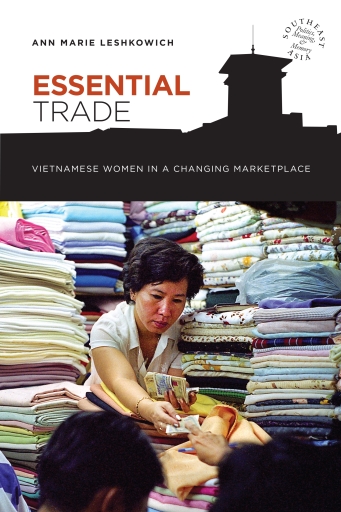
Essential Trade
Publicado por University of Hawaii Press
English
274 páginas
2014
ISBN 9780824847869
PDF
Buy at Catademic
🇺🇸
Catademic
🇺🇸
Visitar tienda →
UN
University of Hawaiʻi Press
🇺🇸
Visitar tienda →
Bajalibros Latam
🇺🇸
Visitar tienda →
Association of University Presses - Tienda FILUNI
🇺🇸
Visitar tienda →

Ebooks Librería Antártica
🇨🇱
Visitar tienda →
Ebooks Agustin
🇪🇸
Visitar tienda →
Bajalibros Argentina
🇦🇷
Visitar tienda →

Sanborns Ebooks
🇲🇽
Visitar tienda →
ebooks Libreria del GAM
🇺🇾
Visitar tienda →
Bookshop Uruguay
🇺🇾
Visitar tienda →

ebookskitapenas
🇬🇹
Visitar tienda →
Ebooks Yenny - El Ateneo
🇦🇷
Visitar tienda →
Crisol Ebooks
🇨🇴
Visitar tienda →
Disponible en 13 librerías
Catademic
🇺🇸
Visitar tienda →

UN
University of Hawaiʻi Press
🇺🇸
Visitar tienda →
Association of University Presses - Tienda FILUNI
🇺🇸
Visitar tienda →
Ebooks Librería Antártica
🇨🇱
Visitar tienda →
Ebooks Agustin
🇪🇸
Visitar tienda →
Sanborns Ebooks
🇲🇽
Visitar tienda →
ebooks Libreria del GAM
🇺🇾
Visitar tienda →
ebookskitapenas
🇬🇹
Visitar tienda →
Ebooks Yenny - El Ateneo
🇦🇷
Visitar tienda →
Crisol Ebooks
🇨🇴
Visitar tienda →
Sobre este libro
<p>“My husband doesn’t have a head for business,” complained Ngoc, the owner of a children’s clothing stall in Ben Thanh market. “Naturally, it’s because he’s a man.” When the women who sell in Ho Chi Minh City’s iconic marketplace speak, their language suggests that activity in the market is shaped by timeless, essential truths: Vietnamese women are naturally adept at buying and selling, while men are not; Vietnamese prefer to do business with family members or through social contacts; stallholders are by nature superstitious; marketplace trading is by definition a small-scale enterprise.<br><br><i>Essential Trade</i> looks through the façade of these “timeless truths” and finds active participants in a political economy of appearances: traders’ words and actions conform to stereotypes of themselves as poor, weak women in order to clinch sales, manage creditors, and protect themselves from accusations of being greedy, corrupt, or “bourgeois” – even as they quietly slip into southern Vietnam’s growing middle class. But Leshkowich argues that we should not dismiss the traders’ self-disparaging words simply because of their essentialist logic. In Ben Thanh market, performing certain styles of femininity, kinship relations, social networks, spirituality, and class allowed traders to portray themselves as particular kinds of people who had the capacity to act in volatile political and economic circumstances. When so much seems to be changing, a claim that certain things or people are inherently or naturally a particular way can be both personally meaningful and strategically advantageous.<br><br>Based on ethnographic fieldwork and life history interviewing conducted over nearly two decades, <i>Essential Trade</i> explores how women cloth and clothing traders like Ngoc have plied their wares through four decades of political and economic transformation: civil war, postwar economic restructuring, socialist cooperativization, and the frenetic competition of market socialism. With close attention to daily activities and life narratives, this groundbreaking work of critical feminist economic anthropology combines theoretical insight, vivid ethnography, and moving personal stories to illuminate how the interaction between gender and class has shaped people’s lives and created market socialist political economy. It provides a compelling account of postwar southern Vietnam as seen through the eyes of the dynamic women who have navigated forty years of profound change while building their businesses in the stalls of Ben Thanh market.</p>
- Idioma
- English
Compartir
También te puede interesar
Manual of Ship Subsidies. An Historical Summary of the Systems of All Nations
Bacon, Edwin M.
A mentalidade anticapitalista (Digital)
von Mises, Ludwig
Places for Happiness
Peterson, William
Internationale Ökonomie
Kempa, Bernd
Mulheres do Compliance
Souza, Carolina de, (Org), Silva Brombal

Women Entrepreneurship Financial Inclusion and Micro Financing for Self Help Groups in Andhra Pradesh
S. Anitha Devi, B.V.H. Kameswara Sastry