
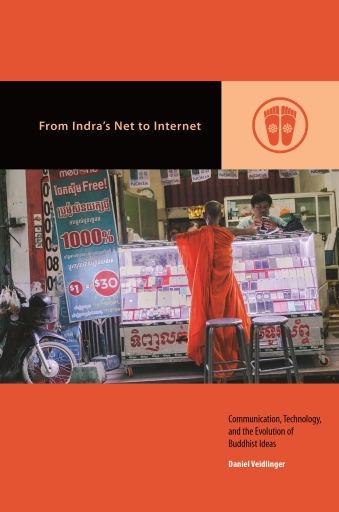
From Indra’s Net to Internet
Publicado por University of Hawaii Press
Disponible en 16 librerías
 Association of University Presses - Tienda FILUNI
🇺🇸
Visitar tienda →
Association of University Presses - Tienda FILUNI
🇺🇸
Visitar tienda →
 Bajalibros Argentina
🇦🇷
Visitar tienda →
Bajalibros Argentina
🇦🇷
Visitar tienda →
 Bajalibros Latam
🇺🇸
Visitar tienda →
Bajalibros Latam
🇺🇸
Visitar tienda →
 Bookshop Uruguay
🇺🇾
Visitar tienda →
Bookshop Uruguay
🇺🇾
Visitar tienda →
 Catademic
🇺🇸
Visitar tienda →
Catademic
🇺🇸
Visitar tienda →











Sobre este libro
Disponibilidad
From Indra’s Net to Internet está disponible como EPUB en 16 librerías online. Entre las librerías que lo venden están Association of University Presses - Tienda FILUNI, Bajalibros Argentina, Bajalibros Latam.
Categorías
- Idioma
- Inglés
Preguntas frecuentes
- ¿En qué formatos está disponible From Indra’s Net to Internet?
- From Indra’s Net to Internet está disponible como EPUB en 16 librerías online.
- ¿Dónde puedo comprar From Indra’s Net to Internet?
- Puedes comprar From Indra’s Net to Internet en Association of University Presses - Tienda FILUNI, Bajalibros Argentina, Bajalibros Latam. Compara todas las opciones en la lista de esta página.
Valoraciones y reseñas
Aún no hay valoraciones. Sé el primero en reseñar este libro.
Acceder para valorar y reseñar este libro.
También te puede interesar

Soo Thah: A Tale of the Making of the Karen Nation
Bunker, Alonzo

Shakti – Die Geheimnisse der Göttinnen
Choudhury, Suresh

Atma O El Silencio De Las Sirenas De La Jungla
Martí, Ana Reyes Carvalho

The Mughal Empire Through Provincial Eyes: India's Complex Century
Collinsworth, Mae

Steel Against Silk
Chen, Robert
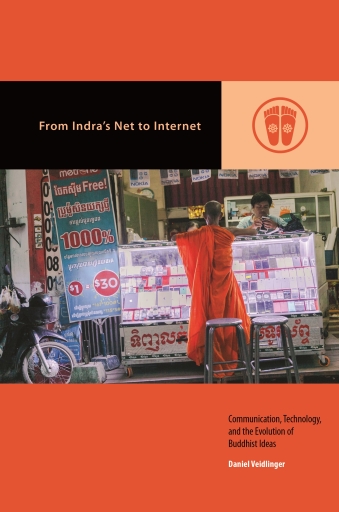
From Indra’s Net to Internet
Veidlinger, Daniel