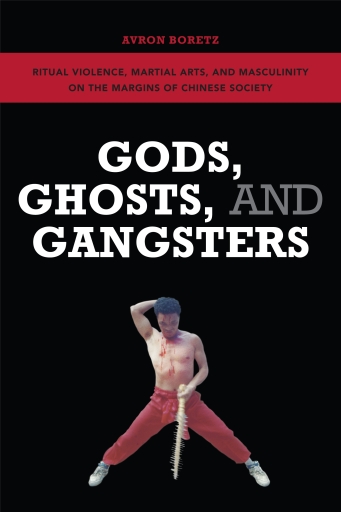
Gods, Ghosts, and Gangsters
Por Boretz, Avron
Publicado por University of Hawaii Press
English
289 páginas
2010
ISBN 9780824860714
PDF
Buy at Bajalibros Latam
🇺🇸
Catademic
🇺🇸
Visitar tienda →
Bajalibros Latam
🇺🇸
Visitar tienda →
Association of University Presses - Tienda FILUNI
🇺🇸
Visitar tienda →

Ebooks Librería Antártica
🇨🇱
Visitar tienda →
Ebooks Agustin
🇪🇸
Visitar tienda →
Bajalibros Argentina
🇦🇷
Visitar tienda →

Sanborns Ebooks
🇲🇽
Visitar tienda →
ebooks Libreria del GAM
🇺🇾
Visitar tienda →
Bookshop Uruguay
🇺🇾
Visitar tienda →

ebookskitapenas
🇬🇹
Visitar tienda →
Ebooks Yenny - El Ateneo
🇦🇷
Visitar tienda →
Crisol Ebooks
🇨🇴
Visitar tienda →
Disponible en 12 librerías
Catademic
🇺🇸
Visitar tienda →
Association of University Presses - Tienda FILUNI
🇺🇸
Visitar tienda →
Ebooks Librería Antártica
🇨🇱
Visitar tienda →
Ebooks Agustin
🇪🇸
Visitar tienda →
Sanborns Ebooks
🇲🇽
Visitar tienda →
ebooks Libreria del GAM
🇺🇾
Visitar tienda →
ebookskitapenas
🇬🇹
Visitar tienda →
Ebooks Yenny - El Ateneo
🇦🇷
Visitar tienda →
Crisol Ebooks
🇨🇴
Visitar tienda →
Sobre este libro
<p>Demon warrior puppets, sword-wielding Taoist priests, spirit mediums lacerating their bodies with spikes and blades—these are among the most dramatic images in Chinese religion. Usually linked to the propitiation of plague gods and the worship of popular military deities, such ritual practices have an obvious but previously unexamined kinship with the traditional Chinese martial arts.<br><br>The long and durable history of martial arts iconography and ritual in Chinese religion suggests something far deeper than mere historical coincidence. Avron Boretz argues that martial arts gestures and movements are so deeply embedded in the ritual repertoire in part because they iconify masculine qualities of violence, aggressivity, and physical prowess, the implicit core of Chinese patriliny and patriarchy. At the same time, for actors and audience alike, martial arts gestures evoke the mythos of the jianghu, a shadowy, often violent realm of vagabonds, outlaws, and masters of martial and magic arts. Through the direct bodily practice of martial arts movement and creative rendering of jianghu narratives, martial ritual practitioners are able to identify and represent themselves, however briefly and incompletely, as men of prowess, a reward otherwise denied those confined to the lower limits of this deeply patriarchal society.<br><br>Based on fieldwork in China and Taiwan spanning nearly two decades, <i>Gods, Ghosts, and Gangsters</i> offers a thorough and original account of violent ritual and ritual violence in Chinese religion and society. Close-up, sensitive portrayals and the voices of ritual actors themselves—mostly working-class men, many of them members of sworn brotherhoods and gangs—convincingly link martial ritual practice to the lives and desires of men on the margins of Chinese society. This work is a significant contribution to the study of Chinese ritual and religion, the history and sociology of Chinese underworld, the history and anthropology of the martial arts, and the anthropology of masculinity.</p>
Categorías
- Idioma
- English
Compartir