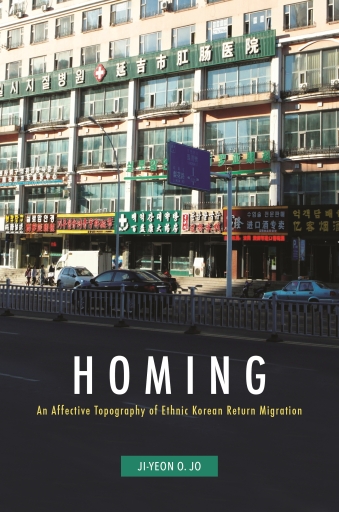
Homing
Por Jo, Ji-Yeon O.
Publicado por University of Hawaii Press
English
2017
ISBN 9780824872502
eBook
Buy at University of Hawaiʻi Press
🇺🇸
Catademic
🇺🇸
Visitar tienda →
UN
University of Hawaiʻi Press
🇺🇸
Visitar tienda →
ebookstaolistic
🇺🇸
Visitar tienda →
Bajalibros Latam
🇺🇸
Visitar tienda →
Association of University Presses - Tienda FILUNI
🇺🇸
Visitar tienda →

Ebooks Librería Antártica
🇨🇱
Visitar tienda →
Ebooks Agustin
🇪🇸
Visitar tienda →
Bajalibros Argentina
🇦🇷
Visitar tienda →

Sanborns Ebooks
🇲🇽
Visitar tienda →
ebooks Libreria del GAM
🇺🇾
Visitar tienda →
Bookshop Uruguay
🇺🇾
Visitar tienda →

ebookskitapenas
🇬🇹
Visitar tienda →
Ebooks Yenny - El Ateneo
🇦🇷
Visitar tienda →
Crisol Ebooks
🇨🇴
Visitar tienda →
Disponible en 14 librerías
Catademic
🇺🇸
Visitar tienda →

UN
University of Hawaiʻi Press
🇺🇸
Visitar tienda →
ebookstaolistic
🇺🇸
Visitar tienda →
Association of University Presses - Tienda FILUNI
🇺🇸
Visitar tienda →
Ebooks Librería Antártica
🇨🇱
Visitar tienda →
Ebooks Agustin
🇪🇸
Visitar tienda →
Sanborns Ebooks
🇲🇽
Visitar tienda →
ebooks Libreria del GAM
🇺🇾
Visitar tienda →
ebookskitapenas
🇬🇹
Visitar tienda →
Ebooks Yenny - El Ateneo
🇦🇷
Visitar tienda →
Crisol Ebooks
🇨🇴
Visitar tienda →
Sobre este libro
<p>Millions of ethnic Koreans have been driven from the Korean Peninsula over the course of the region’s modern history. Emigration was often the personal choice of migrants hoping to escape economic and political hardship, but it was also enforced or encouraged by governmental relocation and migration projects in both colonial and postcolonial times. The turning point in South Korea’s overall migration trajectory occurred in the late 1980s and early 1990s, when the nation’s increased economic prosperity and global visibility, along with shifting geopolitical relationships between the First World and Second World, precipitated a migration flow to South Korea. Since the early 1990s, South Korea’s foreign-resident population has soared more than 3,000 percent.<br><br><i>Homing</i> investigates the experiences of legacy migrants—later-generation diaspora Koreans who “return” to South Korea—from China, the Commonwealth of Independent States, and the United States. Unlike their parents or grandparents, they have no firsthand experience of their ancestral homeland. They inherited an imagined homeland through memories, stories, pictures, and traditions passed down by family and community, or through images disseminated by the media. When diaspora Koreans migrate to South Korea, they confront far more than a new living situation: they must navigate their own shifting emotions as their expectations for their new homeland—and its expectations of them—confront reality. Everyday experiences and social encounters—whether welcoming or humiliating—all contribute to their sense of belonging in the South.<br><br><i>Homing</i> addresses some of the most vexing and pressing issues of contemporary transnational migration—citizenship, cultural belonging, language, and family relationships—and highlights their affective dimensions. Using accounts gleaned through interviews, author Ji-Yeon Jo situates migrant experiences within the historical context of each diaspora. Her book is the first to analyze comparatively the migration experiences of ethnic Koreans from three diverse diaspora, whose presence in South Korea and ongoing relationships with diaspora homelands have challenged and destabilized existing understandings of Korean peoplehood.</p>
- Idioma
- English
Compartir