Ir al contenido principal
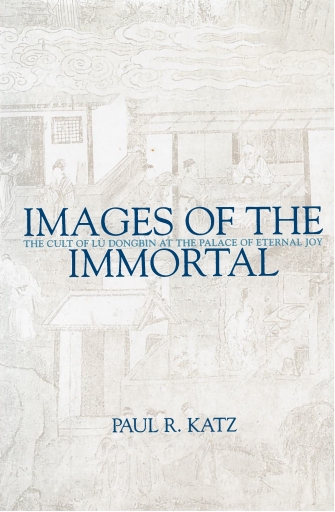
Portada del libro «Images of the Immortal», de Paul R. Katz

Images of the Immortal

Por Katz, Paul R.

Publicado por University of Hawaii Press

Inglés 328 páginas 2000 ISBN 9780824862909
Tiempo de lectura estimado: 6 h 1 min
PDF

Sobre este libro

The Palace of Eternal Joy (Yongle gong) is a mammoth cult site dedicated to one of late imperial China’s most popular deities, Lu Dongbin. In one of the first book-length studies of a Chinese sacred site, Paul Katz focuses on the Palace’s role in the development of Lu's legend. This highly innovative approach takes into account the various "histories" of the Palace presented in different texts and surpasses previous scholarship by stressing the ways in which the site both reflected and produced cultural diversity. Katz breaks new ground by analyzing the texts in terms of the textuality--the processes by which they were produced, transmitted, and understood. The study begins with a detailed description of the Palace of Eternal Joy and a brief account of its history. The reader is then introduced to the cult of Lu Dongbin. Special consideration is given to various hagiographical traditions, particularly those that influenced the growth of his cult at Yongle. Throughout late imperial China, a growing number of worshipers (among them scholar-officials, Taoist priests, artisans, and dramatists) created an ever-burgeoning variety of images of Lu, ranging from a patron god of ink-makers and prostitutes to a member of that powerful yet rambunctious group of spirits known as the Eight Immortals. In this context, the author explores the Perfect Realization Taoist movement's adoption of Lu's cult during the Jin and Yuan dynasties and highlight the social and religious factors that led to Lu's immense popularity in north China during the late imperial era. Katz next looks at the four type of inscriptions found at the Palace (commemorative, official, hagiographical, and poetic) and identifies the Palace patrons who worshiped there and contributed to its growth. In the description and analysis of the Palace murals that follow, he divides these works into two types: those painted to provide a setting for, and even an object of, Taoist rituals performed at the Palace; and those used to instruct Perfect Realization Taoists and perhaps pilgrims. The final section traces the reception of the Palace texts among the people of Yongle and its environs. Here Katz examines the ways in which patrons tried to impose their representations of the Palace’s history and the cult of Lu Dongbin on other members of the community and assesses the extent to which these efforts succeeded. Images of the Immortal is richly informed by a wide reading in social, cultural, and literary theory as well as a thorough awareness of previous work in comparative and Chinese religion. Scholars of Taoism, Chinese popular religion, and art history will find it especially rewarding for its thought-provoking reinterpretation of an important religious figure and his cult.

Disponibilidad

Images of the Immortal está disponible como PDF en 16 librerías online. Entre las librerías que lo venden están Association of University Presses - Tienda FILUNI, Bajalibros Argentina, Bajalibros Latam.

Categorías

Idioma
Inglés
Compartir

Preguntas frecuentes

¿En qué formatos está disponible Images of the Immortal?
Images of the Immortal está disponible como PDF en 16 librerías online.
¿Dónde puedo comprar Images of the Immortal?
Puedes comprar Images of the Immortal en Association of University Presses - Tienda FILUNI, Bajalibros Argentina, Bajalibros Latam. Compara todas las opciones en la lista de esta página.
¿Cuánto se tarda en leer Images of the Immortal?
A un ritmo de lectura medio, Images of the Immortal se lee en unas 6 h 1 min (328 páginas).

Valoraciones y reseñas

Aún no hay valoraciones. Sé el primero en reseñar este libro.

Acceder para valorar y reseñar este libro.

Comentarios

Acceder para unirte a la conversación.

Aún no hay comentarios.