Ir al contenido principal
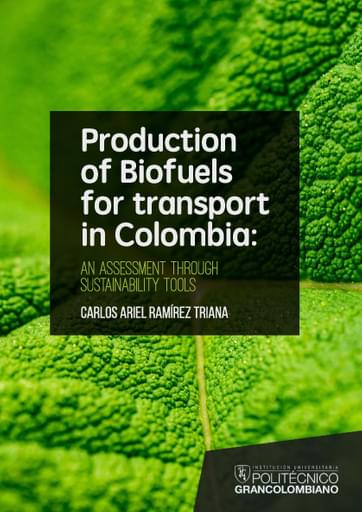
Production of biofuels for transport in Colombia: An assessment through sustanability tools

Production of biofuels for transport in Colombia: An assessment through sustanability tools

Por Alba Nidia Triana

Publicado por Politécnico Grancolombiano

Spanish 433 páginas 2017 ISBN 9789588721576
Tiempo de lectura estimado: 7 h 56 min
PDF
Buy at Librería Poli 🇨🇴

Disponible en 1 librerías

Vendido directamente por la editorial independiente Librería Poli

Sobre este libro

Bioenergy has emerged as a potentially sustainable alternative to the use of fossil fuels for transport and industrial uses. Developing nations, such as Colombia, can seize the advantages of modernizing rural areas by using cleaner energy and having more economic opportunities with bioenergy initiatives, provided the trade-offs between fiber, food, feed and fuel can be managed. This Thesis examines the bioenergy program now under way in Colombia, where comparative advantages (shared with other tropical countries) in production of sugar cane and palm oil are being built on. While the technologies associated with use of these feedstocks are well known, nevertheless their scaling up in a country like Colombia poses considerable environmenral, social, economic and business challenges. The thesis poses two fundamental questions based on current Colombian conditions, namely (1) can the Colombian biofuel industry produce bioethanol and biodiesel under sustainable guidelines; and (2) to what extent is it possible to expand energy crops for biofuels production purposes withour jeopardizing sustainability goals? A sustainability approach based on recognized techniques such as Life Cycle Assessment (LCA) allows for a comprehensive social, economic and environmental analysis of the whole cradle-to-grave progress of the bioenergy value chain. An original LCA analysis is conducted for the Colombian bioenergy sector, with results indicating that considerable savings in GHG emissions are achieved while producing sustainable and competitive bioenergy products. Nevertheless expansion of sugarcane and palm oil crops is possible but constrained by biophysical, legal, ecological and socio-economic conditions, established to safeguard sustainable production. Utilising Geographic Information Systems (GIS) sorne maps were created which clarify the potential for bioenergy expansion in Colombia. The Thesis thereby engages with the bioenergy capabilities of Colombia, and drawing on the literature from other tropical and Latin American countries, provides original estimates of the country\'s biopotential as well as needed policy settings to bring Colombia to its full capacity. To sum up, this document argues that sustainable production and use of biofuels is feasible and would meet expected market demands over time.

Disponibilidad

Production of biofuels for transport in Colombia: An assessment through sustanability tools está disponible como PDF en 1 librería online. Cómpralo directamente a su editorial en Librería Poli.

Idioma
Spanish
Compartir

Preguntas frecuentes

¿En qué formatos está disponible Production of biofuels for transport in Colombia: An assessment through sustanability tools?
Production of biofuels for transport in Colombia: An assessment through sustanability tools está disponible como PDF en 1 librería online.
¿Dónde puedo comprar Production of biofuels for transport in Colombia: An assessment through sustanability tools?
Puedes comprar Production of biofuels for transport in Colombia: An assessment through sustanability tools en Librería Poli. Compara todas las opciones en la lista de esta página.
¿Cuánto se tarda en leer Production of biofuels for transport in Colombia: An assessment through sustanability tools?
A un ritmo de lectura medio, Production of biofuels for transport in Colombia: An assessment through sustanability tools se lee en unas 7 h 56 min (433 páginas).

Valoraciones y reseñas

Aún no hay valoraciones. Sé el primero en reseñar este libro.

Acceder para valorar y reseñar este libro.

Comentarios

Acceder para unirte a la conversación.

Aún no hay comentarios.