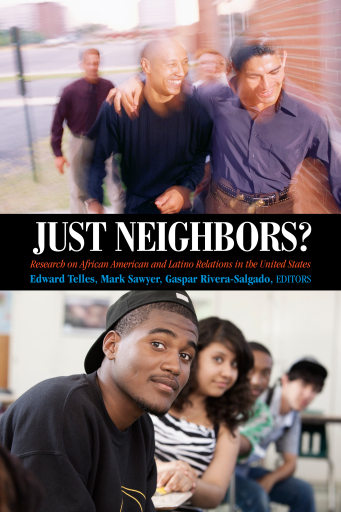
Just Neighbors?
Publicado por Russell Sage Foundation
English
2011
ISBN 9781610447539
eBook
Buy at Bajalibros Latam
🇺🇸
Catademic
🇺🇸
Visitar tienda →
ebookstaolistic
🇺🇸
Visitar tienda →
Bajalibros Latam
🇺🇸
Visitar tienda →
RS
RSAGE
🇺🇸
Visitar tienda →
Association of University Presses - Tienda FILUNI
🇺🇸
Visitar tienda →

publica.la marketplace
🇦🇷
Visitar tienda →
Ebooks Librería Antártica
🇨🇱
Visitar tienda →
Ebooks Agustin
🇪🇸
Visitar tienda →
Bajalibros Argentina
🇦🇷
Visitar tienda →

Sanborns Ebooks
🇲🇽
Visitar tienda →
ebooks Libreria del GAM
🇺🇾
Visitar tienda →
Bookshop Uruguay
🇺🇾
Visitar tienda →
ebookskitapenas
🇬🇹
Visitar tienda →
Ebooks Yenny - El Ateneo
🇦🇷
Visitar tienda →
Crisol Ebooks
🇨🇴
Visitar tienda →
Disponible en 15 librerías
Catademic
🇺🇸
Visitar tienda →
ebookstaolistic
🇺🇸
Visitar tienda →
Association of University Presses - Tienda FILUNI
🇺🇸
Visitar tienda →
publica.la marketplace
🇦🇷
Visitar tienda →
Ebooks Librería Antártica
🇨🇱
Visitar tienda →
Ebooks Agustin
🇪🇸
Visitar tienda →
Sanborns Ebooks
🇲🇽
Visitar tienda →
ebooks Libreria del GAM
🇺🇾
Visitar tienda →
ebookskitapenas
🇬🇹
Visitar tienda →
Ebooks Yenny - El Ateneo
🇦🇷
Visitar tienda →
Crisol Ebooks
🇨🇴
Visitar tienda →
Sobre este libro
<div>Blacks and Latinos have transformed the American city—together these groups now constitute the majority in seven of the ten largest cities. Large-scale immigration from Latin America has been changing U.S. racial dynamics for decades, and Latino migration to new destinations is changing the face of the American south. Yet most of what social science has helped us to understand about these groups has been observed primarily in relation to whites—not each other. Just Neighbors? challenges the traditional black/white paradigm of American race relations by examining African Americans and Latinos as they relate to each other in the labor market, the public sphere, neighborhoods, and schools. The book shows the influence of race, class, and received stereotypes on black-Latino social interactions and offers insight on how finding common ground may benefit both groups. From the labor market and political coalitions to community organizing, street culture, and interpersonal encounters, Just Neighbors? analyzes a spectrum of Latino-African American social relations to understand when and how these groups cooperate or compete. Contributor Frank Bean and his co-authors show how the widely held belief that Mexican immigration weakens job prospects for native-born black workers is largely unfounded—especially as these groups are rarely in direct competition for jobs. Michael Jones-Correa finds that Latino integration beyond the traditional gateway cities promotes seemingly contradictory feelings: a sense of connectedness between the native minority and the newcomers but also perceptions of competition. Mark Sawyer explores the possibilities for social and political cooperation between the two groups in Los Angeles and finds that lingering stereotypes among both groups, as well as negative attitudes among blacks about immigration, remain powerful but potentially surmountable forces in group relations. Regina Freer and Claudia Sandoval examine how racial and ethnic identity impacts coalition building between Latino and black youth and find that racial pride and a sense of linked fate encourages openness to working across racial lines. Black and Latino populations have become a majority in the largest U.S. cities, yet their combined demographic dominance has not abated both groups' social and economic disadvantage in comparison to whites. Just Neighbors? lays a much-needed foundation for studying social relations between minority groups. This trailblazing book shows that, neither natural allies nor natural adversaries, Latinos and African Americans have a profound potential for coalition-building and mutual cooperation. They may well be stronger together rather than apart.</div>
- Idioma
- English
Compartir
También te puede interesar
"Cuidado!" in urban Brazil
Tseng, Han Hui (York)
Miséria da filosofia
Marx, Karl
Narcoperiodismo
Valdez Cárdenas, Javier
Rutas metodológicas para la modelización en ciencias
Suárez Ariza, Roberto, Martínez Cotrina, Jorge
Anarquía relacional
Pérez Cortés, Juan Carlos
Luces y sombras de mi tiempo
Carvajal Sinisterra, Alfredo