Meno
Por Plato
Publicado por Strelbytskyy Multimedia Publishing
Inglés
2024
ISBN 4099995462784
Audiolibro
Comprar en Ebooks Librería Carlos Fuentes
🇲🇽
 Alpha Books
🇨🇴
Visitar tienda →
Alpha Books
🇨🇴
Visitar tienda →
 Bajalibros Argentina
🇦🇷
Visitar tienda →
Bajalibros Argentina
🇦🇷
Visitar tienda →
 Bajalibros Latam
🇺🇸
Visitar tienda →
Bajalibros Latam
🇺🇸
Visitar tienda →
 Bookshop Uruguay
🇺🇾
Visitar tienda →
Bookshop Uruguay
🇺🇾
Visitar tienda →
 Crisol Ebooks
🇵🇪
Visitar tienda →
Crisol Ebooks
🇵🇪
Visitar tienda →
Disponible en 13 librerías
Alpha Books
🇨🇴
Visitar tienda →
Bajalibros Argentina
🇦🇷
Visitar tienda →
Bajalibros Latam
🇺🇸
Visitar tienda →
Bookshop Uruguay
🇺🇾
Visitar tienda →
Crisol Ebooks
🇵🇪
Visitar tienda →








Sobre este libro
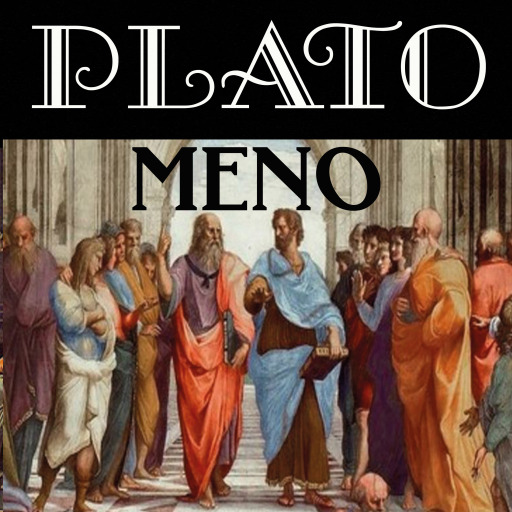
Meno is a Socratic dialogue written by Plato. Meno begins the dialogue by asking Socrates whether virtue is taught, acquired by practice, or comes by nature. In order to determine whether virtue is teachable or not, Socrates tells Meno that they first need to determine what virtue is. When the characters speak of virtue, or rather arete, they refer to virtue in general, rather than particular virtues, such as justice or temperance. The first part of the work showcases Socratic dialectical style; Meno, unable to adequately define virtue, is reduced to confusion or aporia. Socrates suggests that they seek an adequate definition for virtue together. In response, Meno suggests that it is impossible to seek what one does not know, because one will be unable to determine whether one has found it.
Disponibilidad
Meno está disponible como audiolibro en 13 librerías online. Entre las librerías que lo venden están Alpha Books, Bajalibros Argentina, Bajalibros Latam.
Categorías
- Idioma
- Inglés
Compartir
Preguntas frecuentes
- ¿En qué formatos está disponible Meno?
- Meno está disponible como audiolibro en 13 librerías online.
- ¿Dónde puedo comprar Meno?
- Puedes comprar Meno en Alpha Books, Bajalibros Argentina, Bajalibros Latam. Compara todas las opciones en la lista de esta página.
Valoraciones y reseñas
Aún no hay valoraciones. Sé el primero en reseñar este libro.
Acceder para valorar y reseñar este libro.