
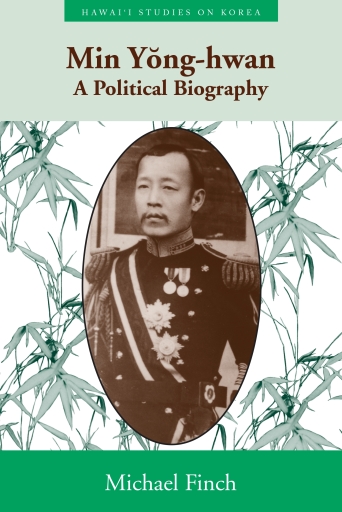
Min Yong-hwan
Por Finch, Michael
Publicado por University of Hawaii Press
English
273 páginas
2002
ISBN 9780824863616
PDF
Buy at Association of University Presses - Tienda FILUNI
🇺🇸
 Catademic
🇺🇸
Visitar tienda →
Catademic
🇺🇸
Visitar tienda →
 Bajalibros Latam
🇺🇸
Visitar tienda →
Bajalibros Latam
🇺🇸
Visitar tienda →
 Association of University Presses - Tienda FILUNI
🇺🇸
Visitar tienda →
Association of University Presses - Tienda FILUNI
🇺🇸
Visitar tienda →
 Ebooks Librería Antártica
🇨🇱
Visitar tienda →
Ebooks Librería Antártica
🇨🇱
Visitar tienda →
 Ebooks Agustin
🇪🇸
Visitar tienda →
Ebooks Agustin
🇪🇸
Visitar tienda →
 Bajalibros Argentina
🇦🇷
Visitar tienda →
Bajalibros Argentina
🇦🇷
Visitar tienda →
 Sanborns Ebooks
🇲🇽
Visitar tienda →
Sanborns Ebooks
🇲🇽
Visitar tienda →
 ebooks Libreria del GAM
🇨🇱
Visitar tienda →
ebooks Libreria del GAM
🇨🇱
Visitar tienda →
 Bookshop Uruguay
🇺🇾
Visitar tienda →
Bookshop Uruguay
🇺🇾
Visitar tienda →
 ebookskitapenas
🇬🇹
Visitar tienda →
ebookskitapenas
🇬🇹
Visitar tienda →
 Ebooks Yenny - El Ateneo
🇦🇷
Visitar tienda →
Ebooks Yenny - El Ateneo
🇦🇷
Visitar tienda →
 Crisol Ebooks
🇵🇪
Visitar tienda →
Crisol Ebooks
🇵🇪
Visitar tienda →
Disponible en 12 librerías
Catademic
🇺🇸
Visitar tienda →
Bajalibros Latam
🇺🇸
Visitar tienda →
Association of University Presses - Tienda FILUNI
🇺🇸
Visitar tienda →
Ebooks Librería Antártica
🇨🇱
Visitar tienda →
Ebooks Agustin
🇪🇸
Visitar tienda →
Bajalibros Argentina
🇦🇷
Visitar tienda →
Sanborns Ebooks
🇲🇽
Visitar tienda →
ebooks Libreria del GAM
🇨🇱
Visitar tienda →
Bookshop Uruguay
🇺🇾
Visitar tienda →
ebookskitapenas
🇬🇹
Visitar tienda →
Ebooks Yenny - El Ateneo
🇦🇷
Visitar tienda →
Crisol Ebooks
🇵🇪
Visitar tienda →
Sobre este libro
<p>The diplomat and scholar-official Min Yông-hwan (1861-1905), described by one contemporary Western observer as "undoubtably the first Korean after the emperor," is best remembered in Korean historiography for his pioneering diplomacy at the courts of Tsar Nicholas II and Queen Victoria in the late 1890s. Furthermore, he is considered to be the foremost patriot of Korea's Taehan era (1897-1907). This pioneering study of Min Yông-hwan is long overdue and provides us with a new perspective on a period of Korean history that still casts its shadow over the region today.<br><br>This new biography of Min contributes substantially to our understanding of this period by looking beyond the established view of Korea as being polarized between reformists and reactionaries in the late Choson era. In doing so, it provides us with deeper insight into the full range of responses of the late Choson leadership to the dual challenges of internal stagnation and external intervention at the juncture of the nineteenth and twentieth centuries. It will be essential reading for anyone interested in the recent history of Korea, late nineteenth century imperialism, and Russian, Japanese, American, and British foreign policy in northeast Asia.</p>
Categorías
- Idioma
- English
Compartir
También te puede interesar
The War in the East: Japan, China, and Corea
White, Trumbull
Youth for Nation
Kim, Charles R.
The Foresight of Dark Knowing
Jorgensen, John
The Breaking of the Storm: Historical Novel
Spielhagen, Friedrich
The Koreans in Hawaii
Chang, Roberta, Patterson, Wayne

Cambio de época: la República de Corea y la renovación de sus relaciones con América Latina
Woo Suk-Kyun, Juan José Ramírez Bonilla, Kim Soon-Bae