
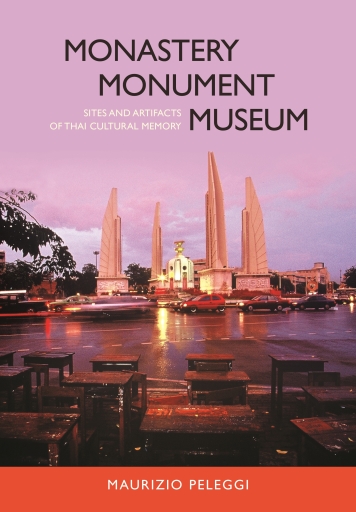
Monastery, Monument, Museum
Publicado por University of Hawaii Press
Disponible en 16 librerías
 Association of University Presses - Tienda FILUNI
🇺🇸
Visitar tienda →
Association of University Presses - Tienda FILUNI
🇺🇸
Visitar tienda →
 Bajalibros Argentina
🇦🇷
Visitar tienda →
Bajalibros Argentina
🇦🇷
Visitar tienda →
 Bajalibros Latam
🇺🇸
Visitar tienda →
Bajalibros Latam
🇺🇸
Visitar tienda →
 Bookshop Uruguay
🇺🇾
Visitar tienda →
Bookshop Uruguay
🇺🇾
Visitar tienda →
 Catademic
🇺🇸
Visitar tienda →
Catademic
🇺🇸
Visitar tienda →











¿No encuentras tu librería aquí? Abre tu librería
Sobre este libro
Disponibilidad
Monastery, Monument, Museum está disponible como PDF en 16 librerías online. Entre las librerías que lo venden están Association of University Presses - Tienda FILUNI, Bajalibros Argentina, Bajalibros Latam.
- Idioma
- Inglés
Preguntas frecuentes
- ¿En qué formatos está disponible Monastery, Monument, Museum?
- Monastery, Monument, Museum está disponible como PDF en 16 librerías online.
- ¿Dónde puedo comprar Monastery, Monument, Museum?
- Puedes comprar Monastery, Monument, Museum en Association of University Presses - Tienda FILUNI, Bajalibros Argentina, Bajalibros Latam. Compara todas las opciones en la lista de esta página.
- ¿Cuánto se tarda en leer Monastery, Monument, Museum?
- A un ritmo de lectura medio, Monastery, Monument, Museum se lee en unas 5 h 18 min (289 páginas).
Valoraciones y reseñas
Aún no hay valoraciones. Sé el primero en reseñar este libro.
Acceder para valorar y reseñar este libro.
También te puede interesar

Reflexiones en torno a la labor curatorial y pedagógica del museo
Rojo Betancur, Fernando Antonio

The Trade-Offs of Legal Status
Bylander, Maryann
Monastery, Monument, Museum
Peleggi, Maurizio
Artwash
Evans, Mel
The Brutish Museums
Hicks, Dan

El museo de ciencias como objeto de estudio: una mirada metodológica
Sánchez del Mora, María Carmen