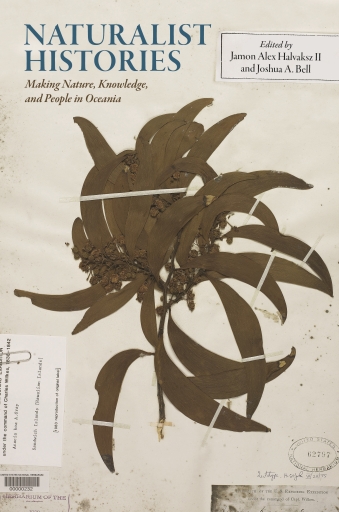
Naturalist Histories
Publicado por University of Hawaii Press
English
297 páginas
2024
ISBN 9780824888794
PDF
Buy at Catademic
🇺🇸
Catademic
🇺🇸
Visitar tienda →
Bajalibros Latam
🇺🇸
Visitar tienda →
Association of University Presses - Tienda FILUNI
🇺🇸
Visitar tienda →

Ebooks Librería Antártica
🇨🇱
Visitar tienda →
Ebooks Agustin
🇪🇸
Visitar tienda →
Bajalibros Argentina
🇦🇷
Visitar tienda →

Sanborns Ebooks
🇲🇽
Visitar tienda →
ebooks Libreria del GAM
🇨🇱
Visitar tienda →
Bookshop Uruguay
🇺🇾
Visitar tienda →

ebookskitapenas
🇬🇹
Visitar tienda →
Ebooks Yenny - El Ateneo
🇦🇷
Visitar tienda →
Crisol Ebooks
🇵🇪
Visitar tienda →
Disponible en 12 librerías
Catademic
🇺🇸
Visitar tienda →
Association of University Presses - Tienda FILUNI
🇺🇸
Visitar tienda →
Ebooks Librería Antártica
🇨🇱
Visitar tienda →
Ebooks Agustin
🇪🇸
Visitar tienda →
Sanborns Ebooks
🇲🇽
Visitar tienda →
ebooks Libreria del GAM
🇨🇱
Visitar tienda →
ebookskitapenas
🇬🇹
Visitar tienda →
Ebooks Yenny - El Ateneo
🇦🇷
Visitar tienda →
Crisol Ebooks
🇵🇪
Visitar tienda →
Sobre este libro
<p>From early explorers to contemporary scientists, naturalists have examined island flora and fauna of Oceania, discovering new species, carefully documenting the lives of animals, and creating work central to the image of Oceania. These “discoveries” and exploratory moves have had profound local and global impacts. Often, however, local knowledge and communities are silent in the ethologies and histories that naturalists produce. This volume analyzes the ways that Indigenous and non-Indigenous naturalists have made island natures visible to a wider audience, their relationship with the communities where they work, as well as the unique natures that they explore and help make. In staking out an area of naturalist histories, each contributor addresses the relationship between naturalists and Oceanic communities, how these histories shaped past and present place and practices, the influence on conservations and development projects, and the relationship between scientific and indigenous knowledge. The essays span across colonial and postcolonial frames, tracing shifts in biological practice from the eighteenth- and nineteenth-century focus on taxonomy and discovery to the twentieth-century disciplinary restructurings and new collecting strategies, and contemporary concerns with biodiversity loss, conservation, and knowledge formation.<br><br>The production of scientific knowledge is typically seen in ethnographic accounts as oppositional, contrasting Indigenous and western, local and global, objective and subjective. Such dichotomous views reinforce differences and further exaggerate inequities in the production of knowledge. More dangerously, value distinctions become embedded in discussions of Indigenous identity, rights, and sovereignty. Contributors acknowledge that these dichotomous narratives have dominated the approach of the scientific community while informing how social scientists have understood the contributions of Pacific communities. The essays offer a nuanced gradient as historical narratives of scientific investigation, in dialogue with local histories, and reveal greater levels of participation in the creation of knowledge. The volume highlights how power infuses the scientific endeavor and offers a distinct and diverse view of knowledge production in Oceania. Combining senior and emerging international scholars, the collection will be of interest to researchers in the social sciences, history, as well as biology and allied fields.</p>
Categorías
- Idioma
- English
Compartir