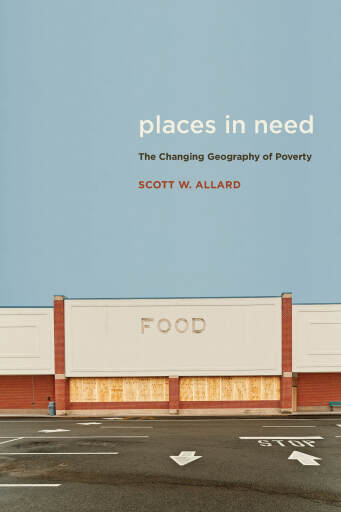
Places in Need
Por Allard, Scott W., Allard, Scott
Publicado por Russell Sage Foundation
English
2017
ISBN 9781610448659
eBook
Buy at Association of University Presses - Tienda FILUNI
🇺🇸
Catademic
🇺🇸
Visitar tienda →
ebookstaolistic
🇺🇸
Visitar tienda →
Bajalibros Latam
🇺🇸
Visitar tienda →
RS
RSAGE
🇺🇸
Visitar tienda →
Association of University Presses - Tienda FILUNI
🇺🇸
Visitar tienda →

publica.la marketplace
🇦🇷
Visitar tienda →
Ebooks Librería Antártica
🇨🇱
Visitar tienda →
Ebooks Agustin
🇪🇸
Visitar tienda →
Bajalibros Argentina
🇦🇷
Visitar tienda →

Sanborns Ebooks
🇲🇽
Visitar tienda →
ebooks Libreria del GAM
🇺🇾
Visitar tienda →
Bookshop Uruguay
🇺🇾
Visitar tienda →
ebookskitapenas
🇬🇹
Visitar tienda →
Ebooks Yenny - El Ateneo
🇦🇷
Visitar tienda →
Crisol Ebooks
🇨🇴
Visitar tienda →
Disponible en 15 librerías
Catademic
🇺🇸
Visitar tienda →
ebookstaolistic
🇺🇸
Visitar tienda →
Association of University Presses - Tienda FILUNI
🇺🇸
Visitar tienda →
publica.la marketplace
🇦🇷
Visitar tienda →
Ebooks Librería Antártica
🇨🇱
Visitar tienda →
Ebooks Agustin
🇪🇸
Visitar tienda →
Sanborns Ebooks
🇲🇽
Visitar tienda →
ebooks Libreria del GAM
🇺🇾
Visitar tienda →
ebookskitapenas
🇬🇹
Visitar tienda →
Ebooks Yenny - El Ateneo
🇦🇷
Visitar tienda →
Crisol Ebooks
🇨🇴
Visitar tienda →
Sobre este libro
Americans think of suburbs as prosperous areas that are relatively free from poverty and unemployment. Yet, today more poor people live in the suburbs than in cities themselves. In <i>Places in Need</i>, social policy expert Scott W. Allard tracks how the number of poor people living in suburbs has more than doubled over the last 25 years, with little attention from either academics or policymakers. Rising suburban poverty has not coincided with a decrease in urban poverty, meaning that solutions for reducing poverty must work in both cities and suburbs. Allard notes that because the suburban social safety net is less-developed than the urban safety net, a better understanding of suburban communities is critical for understanding and alleviating poverty in metropolitan areas.<br> <br> Using census data, administrative data from safety net programs, and interviews with nonprofit leaders in the Chicago, Los Angeles, and Washington, D.C. metropolitan areas, Allard shows that poor suburban households resemble their urban counterparts in terms of labor force participation, family structure, and educational attainment. In the last few decades, suburbs have seen increases in single-parent households, decreases in the number of college graduates, and higher unemployment rates. As a result, suburban demand for safety net assistance has increased. Concerning is evidence suburban social service providers—which serve clients spread out over large geographical areas, and often lack the political and philanthropic support that urban nonprofit organizations can command—do not have sufficient resources to meet the demand.<br> <br> To strengthen local safety nets, Allard argues for expanding funding and eligibility to federal programs such as SNAP and the Earned Income Tax Credit, which have proven effective in urban and suburban communities alike. He also proposes to increase the capabilities of community-based service providers through a mix of new funding and capacity-building efforts.<br> <br> <i>Places in Need</i> demonstrates why researchers, policymakers, and nonprofit leaders should focus more on the shared fate of poor urban and suburban communities. This account of suburban vulnerability amidst persistent urban poverty provides a valuable foundation for developing more effective antipoverty strategies.<br>
Categorías
- Idioma
- English
Compartir
También te puede interesar
Geografia da religião
Pinto, Francisco Léu dos Santos
O serviço social e a questão socioambiental
Vieira, Sergio Luiz de Souza
A mentalidade anticapitalista
von Mises, Ludwig
India
Naipaul, V.S.
PSIQUE, POLÍTICA, SER, ESTUDIOS SOBRE DIGITALIDAD
Vega, Yolanda, Sierra, Wladimir, Calderón, Alfredo
¿Cómo comprender lo social para colaborar en su cambio?
Quintana, Roberto Diego