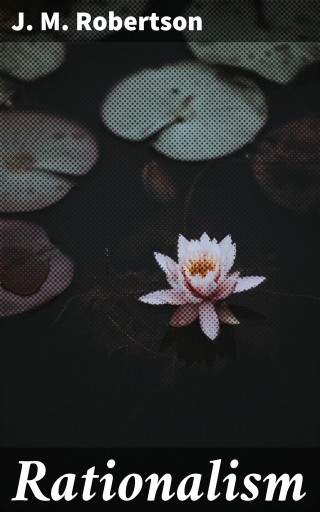
Rationalism
Por Robertson, J. M.
Publicado por Good Press
English
2019
ISBN 4064066190569
eBook
Buy at Bajalibros Latam
🇺🇸
Bajalibros Latam
🇺🇸
Visitar tienda →
LORANCHBOOKSTORE
🇺🇸
Visitar tienda →
Libros Patagonia
🇨🇱
Visitar tienda →
Ebooks Librería Carlos Fuentes
🇲🇽
Visitar tienda →
Ebooks Librería Antártica
🇨🇱
Visitar tienda →
Ebooks Happy Books
🇨🇴
Visitar tienda →
ebooks libreria española
🇪🇨
Visitar tienda →
Bajalibros Argentina
🇦🇷
Visitar tienda →
Alpha Books
🇨🇴
Visitar tienda →

Sanborns Ebooks
🇲🇽
Visitar tienda →
ebooks Libreria del GAM
🇨🇱
Visitar tienda →
Bookshop Uruguay
🇺🇾
Visitar tienda →
Ebooks Yenny - El Ateneo
🇦🇷
Visitar tienda →
Crisol Ebooks
🇵🇪
Visitar tienda →

Disponible en 14 librerías
LORANCHBOOKSTORE
🇺🇸
Visitar tienda →
Libros Patagonia
🇨🇱
Visitar tienda →
Ebooks Librería Carlos Fuentes
🇲🇽
Visitar tienda →
Ebooks Librería Antártica
🇨🇱
Visitar tienda →
Ebooks Happy Books
🇨🇴
Visitar tienda →
ebooks libreria española
🇪🇨
Visitar tienda →
Alpha Books
🇨🇴
Visitar tienda →
Sanborns Ebooks
🇲🇽
Visitar tienda →
ebooks Libreria del GAM
🇨🇱
Visitar tienda →
Ebooks Yenny - El Ateneo
🇦🇷
Visitar tienda →
Crisol Ebooks
🇵🇪
Visitar tienda →

Sobre este libro
In "Rationalism," J. M. Robertson embarks on a comprehensive exploration of the philosophical movement that emphasizes reason as the primary source of knowledge, diverging sharply from tradition and dogma. Utilizing a lucid and incisive literary style, Robertson navigates through the intellectual currents of the Enlightenment, examining figures such as Descartes, Spinoza, and Kant, and critiques their contributions and shortcomings. The text is not merely a historical account; it is a rigorous philosophical discourse that places rationalism within the broader tapestry of Western thought, thus providing valuable insights into its enduring relevance and implications in contemporary debates surrounding logic and belief. J. M. Robertson, a notable figure in the intellectual landscape of his time, was deeply influenced by the currents of philosophical thought surrounding him. His commitment to the principles of rational inquiry and critical thinking likely drove him to engage with rationalism as a discipline. As a prolific writer and a recognized literary critic, Robertson's extensive knowledge of literature, philosophy, and the socio-political context of his era sheds light on the motivations and framework underlying this examination of rational thought. This book is highly recommended for readers seeking to deepen their understanding of philosophical rationalism, its historical significance, and its modern implications. Scholars, students, and anyone intrigued by the interplay between reason and belief will find Robertson's arguments not only illuminating but essential for grasping the complexities of human thought in an age marked by rapid change and uncertainty.
In this enriched edition, we have carefully created added value for your reading experience:
- A succinct Introduction situates the work's timeless appeal and themes.
- The Synopsis outlines the central plot, highlighting key developments without spoiling critical twists.
- A detailed Historical Context immerses you in the era's events and influences that shaped the writing.
- A thorough Analysis dissects symbols, motifs, and character arcs to unearth underlying meanings.
- Reflection questions prompt you to engage personally with the work's messages, connecting them to modern life.
- Hand‐picked Memorable Quotes shine a spotlight on moments of literary brilliance.
- Interactive footnotes clarify unusual references, historical allusions, and archaic phrases for an effortless, more informed read.
Categorías
- Idioma
- English
Compartir
También te puede interesar
Cuadernos de epistemología 8
Beuchot Puente, Mauricio, Primero Rivas, Luis Eduardo
Elémens de la philosophie de Neuton: Mis à la portée de tout le monde
Voltaire
Interpretación del ser humano
Beuchot, Mauricio
Vejo Flores Na Escuridão Do Caminho
E Corrêa, Jornalista Escritora Dra.
Hegels Realphilosophie
Stekeler-Weithofer, Pirmin
Kant's Prolegomena to Any Future Metaphysics
Kant, Immanuel